Search This Blog Network

Sunday, May 3, 2009

ACHIEVEMENTS OF BLACK CIVILIZATIONS


The roots of "Western" civilization, culture, science, technology and religion are to be found not in Greece, but in Black Egypt and Nubia-Kush. From as early as 10,000 B.C. to 1500 A.D., Blacks were in the forefront in the development of science, culture and technology. Black empires and civilizations from the prehistoric Zingh Empire of 15,000 B.C. of Mauritania to ancient Khemet (Egypt) and Nubia-Kush, which existed about 17,000 years ago, experimented in various aspects of science and technology. Some of these sciences and technologies were so advanced that stories of flying machines and the invention of advanced machines has been passed down through ancient writings. Later Black civilizations such as Khemet and Mali experimented and created various sciences and technologies such as the chemical and mystery sciences of ancient Khemet and the surgical sciences of Mali, in West Africa. As early as about 400 B.C., a Black Pharaoh named Pi Di Amen built a model glider to conduct experiments in flight. Centuries before, the Black Egyptians had already invented gunpowder for use in their temples and mystery schools.

The mathematical and astronomical sciences necessary for high technologies such as those used in space technology and industries were first began by Blacks in Khem (Egypt) and Kush (Sudan). These sciences and high technologies were then passed on to the Sumerians, Babylonians, Elamites (all originally Black civilization), Greeks, Hebrews, Romans and Arabs In fact, it was the Black Sabeans of South Arabia, members of the Kushitic branch of the Black African race who established the first civilization in the Arabian Peninsula...thousands of years before the emergence of the Bedouin Arabs

Black medicinal sciences began in Khemet (ancient Black Egypt) and led to later Greek medicinal sciences. These ancient African sciences were copied by the Greeks and others from the ancient Papyrus texts composed by the ancient Khemites and Nubians.

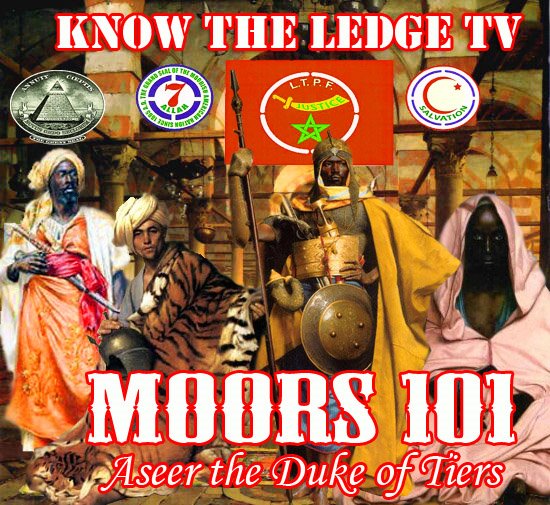
From about 711 A.D. when the Moors, a Black people from Senegal, West Africa and Morocco, invaded Europe. They introduced Black Moorish science, technology, civilization and education to Europe and raised the Europeans from the Dark Ages of about 400 A.D. to 711 A.D. The Black Moors introduced advanced learning to Spain, similar to what had been taking place in Ghana, and at the university city of Jenne in Mali for hundreds of years. They introduced advanced learning to the cities of Toledo, Seville and Cordoba. These cities became centers of Black Moorish and European scholarship, science and culture, where Europeans and others learned new and advanced sciences, arts and technologies. That led to the European Renaissance of later years. The Black Moors introduced art, architecture, sciences, medicines, animal husbandry and other advanced disciplines to Spain and the rest of Europe. This was the catalyst which led to the European Renaissance


Compared to Africa and East Asia where the Europeans learned more technology from the Chinese such as the making of gunpowder and guns, Western and Eastern Europe, (excluding Rome, Greece, etc।) have very little history of great civilization and achievements before the Middle Ages. Africans and the Blacks of India, have had thousands of years of great contributions to world culture and civilizations. The British, French, Spanish, Dutch, Scandinavians, Germanics, Celts, Russians, Poles and many of these groups who claim "superiority" to Blacks and others, were from prehistoric times until the 1500's A.D., much less advanced economically, culturally, intellectually and scientifically as well as socially than most Black nations, kingdoms and empires during that period. From the time of the Roman conquest of Europe about 400 B.C. to the about 1200 A.D., much of Northern and Western Europe was in a stage or barbarism and backwardness. The Roman settlements and cities built by the Romans were the only areas of advanced culture


The claim by some people of racial superiority over Blacks is based on recent developments The introduction of gunpowder to Europe from China via the Arabs played a major part in elevating the Europeans to a level of military superiority. This advantage over some Africans made colonialism and the theft of African lands as well as the defeat of some African armies easier than in past eras. When the Europeans fought with sword and lance against sword and lance, their victories against Africans were few. For example, Hannibal, the African from Carthage defeated Rome's legions with as little as 15,000 men and ruled Italy for many years.
However, even with modern weapons during the modern era, Europeans were sometimes soundly defeated. Nations such as the Zulus, Mossi States, Ashanti, Dahomians, Ethiopians, Herrerros and others defeated the Europeans in a number of wars and battles.


Queen Tiye Black people were the original inventors of the disciplines that helped bring the world into the technological age. Mathematics, physics, astronomy, building in stone and bricks, metallurgy and all the root subjects that were necessary to push the world into today's modern age, were begun by Blacks in Egypt, Nubia-Kush, Mesopotamia, Sabea and Black Naga India. Therefore, even if people of European origins have made improvements in ancient technologies and ancient inventions, such as rocketry, computer technology, aerodynamics and others, the basic mathematical formulas and ancient prototypes were invented by Africans and Chinese. For example, the Africans invented the binary system which is still used in the Yoruba oracle and was copied by German scientists and applied to computer programming. Many ancient formulas in trigonometry, calculus and physics as well as chemistry (Khem mysteries) came from the scientific discoveries of Blacks in Egypt and Nubia-Kush.

Imhotp, The Father of Medicine. Imhotep was also the world's first physician and wrote many books on medicine. He was a great architect and was the first to use hewed stone in building Most Western European scientific discoveries or rather copies of the original discoveries of Africans and Chinese were put to use during the sixteenth to the twentieth centuries. It was during this crucial period that some of the great scientific and technological discoveries and inventions were made. Yet, these discoveries and inventions were and are merely improvements on ancient discoveries made by Africans, Chinese and Black Kushite Arabs. For example, gunpowder was invented by the ancient Egyptians and Nigerians who used the cola nut to make gunpowder. The Chinese reinvented it and used it in fireworks and explosives. Steel was invented by Africans in ancient Tanzania, where ancient cone-like blast furnaces with bellows still exist to this very day and are still used. The hydraulic pump for lifting water and irrigation was invented by Africans in Egypt

Susu Economics: The History of Pan-African Trade, Commerce, Money and Wealth

The greatest book ever written on the history of Africans and others from prehistoric times to the 1600's. Susu Economics is a complete history of African civilizations, the prehistory of planet earth and how the ancients developed civilizations throuigh trade and commerce. All the cultures listed and previewed in the "Black History Chart are included in this book and a thorough history is given. This book will inform, delight and impart knowledge. It is a fabulous work that deserves to be read and cherished. There are no pictures in this work, yet some of the pictures on this website are the only examples of the cultures and civilizations discussed in this great book.

Published by 1stbooks Library, www.1stbooks.com

AFRICA
500,000 to 150,000 B.P. (Before Present)
Homo erectus develops in Africa.

150,000 B.C. to 100,000 years ago

The first Homo sapiens who were of the Black Africoid race appear at Omo region in Ethiopia.

100,000 to 70,000 B.C.

Africans initiate a cultural renaissance in the Congo Region and South Africa. Well crafted tools of stone and bone are created. Writing and the etching of stone is done. Red ochre is used for body paint and body decoration. Migrations to other parts of the world begin around this period.

ASIA
No Homo sapiens in Asia

AUSTRALIA
Negroid migrations to Australia begins

EUROPE
No Homo sapiens in Europe

AMERICAS
No Homo sapiens in the Americas

------------------------------------------------------------------

80,000 to 50,000 B.C.

AFRICA
Development of advanced toolmaking in parts of Africa (evicence found in Congo; 1994: South Africa 2001: age range 100,000 to 70,000 B.C.)
Homo erectus enters Europe from Africa
Neanderthals thrive in Africa. They migrate to Europe and Asia

African "Adam and Eve," (per Mitochondrial DNA), are the first modern-like humans to migrate out of Africa. They include the various types of Black peoples:
Black Australoids, Pygmoids and Negroids enter Europe, Asia, Siberia, Australia, Melanesia and the Americas

Culture begins in Africa, migrations of Africans to other parts of the world

ASIA
First Homo sapiens occupy Asia, Europe and the Americas from Africa.

50,000 B.C.

Grimaldi Negroids enter Europe with advanced African culture called the Aurignacian Culture. Arts such as paintings, cloth making, advanced tool making and other advanced crafts from Africa is brought to Europe, the Americas, Australia and the South Pacific/Melanesia.

African Paintings of animals and scenery in Upper Paleolithic Period about 30,000 years ago.

Black Australoids from Australia and proto African Blacks from the South Pacific reach South America (Brazil) and spread to the rest of the Americas.

Early horticulture practiced in the Sahara. Pastoralism and hunting also practiced.

-----------------

40,000 B.C.

AFRICA
Iron ore mined in Swaziland about 40,000 years ago for the purpose of making red ochre for decoration and body paint.

ASIA
Black Grimaldi Negroids migrate to the Middle East and Asia bringing the Aurignacian culture from Africa to Europe as well

EUROPE
Grimaldi Negroids enter Europe bringing in the Aurignacian Culture. They later evolve into the Cro-magnon People after about twenty thousand years of living in the cold, damp ice and loosing the need for dark black skin.

AUSTRALIA/MELANESIA
Ancestors of Black Australoids, Pygmies and Melanesians from the Sahara and East Africa migrate to Australia about 100,000 to 60,000 thousand years ago. Descendants of Tasmanian Blacks arrive thousands of years before. Melanesians arrive from the coast of East Africa They establish cultures throughout Asia and are the only Homo sapiens in the region. Many occupy China, India, South East Asia.

--------------
30,000 B.C.
AFRICA


Negroid type dominates all Europe, the Americas, Asia, Africa, the Pacific Islands, the Middle East. This type is said to have been a more Negroid Cro-magnon, who had not been affected as yet by the Ice Age conditions which led to the change in skin complexion.

Blacks bring horticulture and early agricultural practices from Africa to Melanesia, Papua New Guinea and the Region.

ASIA

20,000 B.C.

First 'white" Cromagnon types appear in Europe among a Black population in much of the warmer parts of Europe and Asia.

Pacific Blacks sail to the Americas after sailing from East Africa.

First Black cultures and civilizations called the Aqutic Civilizations developin the Sahara.
First evidence of a more advanced culture in the region.

Blacks from Sahara sail to the Americas across the Atlantic

EUROPE

First "white" Cromagnoids appear in Europe. These homosapiens evolved from the Black Grimaldi Negroids who migrated from Africa

----------------

AFRICA

17,000 B.C. to 10,000 B.C..

Beginning of Nile Valley cultures and prehistoric civilizations. Civilizations begin in Sudan and spreads down-river to the middle part of Egypt. The Delta is still covered with water.

ASIA

Black cultures in SW Asia, India, Melanesia, Papua New Guinea, the South Pacific and Southern China thrive. Ice Age still affects northern Asia.
15,000 B.C.


Zingh Empire exists in West Africa while part of Sahara is still covered with Lakes and an insland sea that supports boats and a maritime culture.
Zingh Empire spreads its influence over much of the Sahara, tropical Africa and the Middle East, and establish their standard, the red, black and green flag over the entire region, (Blisshords Communications)

EUROPE

Blacks controle much of Europe especially southern and central part. Ice still in Northern Europe, Cromagnon and early Cacausoids in the far northern regions and north Central Europe.

10,000 B.C. to 8,000 B.C.

AFRICA
Kingdom of Ta-Seti (Nubia) reaches a peak of culture. Glass is produced, astronomy is studied, observatories are built, trade and commerce is established.

Sahara and Nile Corridor continue to develop. Painting, carving, homes, monuments, early disciplines, the horse and chariot, building in stone. Neolithic culture moves on. Agriculture develops further. Some forms of metal working, making of jewelry and decorations. Buildings of towns, villages and cities begin in the Sahara and elsewhere.

Sphinx built about 10,000 B.C., Year of Leo 6280 B.C.

Towns and cities spread throughout Ethiopian Empire (Egypt, Sudan, Ethiopia, Libya, Somalia, Isreal, Jordan, Syria, Iraq, Mesopotamia, South Arabia, India).

ASIA
Mongoloid race develops from combination Negroids and Caucasoids in Mediterranean region, during the Mesolithic Age. First evidence of Brachycephalic (trait found among Mongoloids and Semites.round-headed races).

Trade and travel between West Asia and Africa.

10,000 B.C.
Great Black civilization exists in Southern India. Culture is Africoid and part of what was a great cultural region that connected the Ethiopian Empire with India.

EUROPE
Black Matrilineal cultures in Sothern Europe. Worship of Black female diety (Black Virgin) in Europe. Africoids occupy vast areas of Europe. Caucasians in the Northern regions of Europe.

AMERICAS
Blacks continue to build culture and civilization in the Americas. Washitaw Moundbuilders of the South-western U.S.

Black Giants inhabit the Mississippi Region. These Africans are engaged in agriculture and maritime activity as well as trade and commerce.

8000 to 4241 B.C.

AFRICA
Khemetic Calendar invented 6786 B.C.
Civilizatons of Ta-Seti in Nubia. Natufian and Badarian Culture in Egypt, Abacus invented in Ishongo, Congo (Central Africa)

Horse, elephant, donkey used in early transportation.

Khemite New Year established in 4241 B.C.
Improvements made in sciences, mathematics, technology, agriculture.

Cities expand, trade with world and colonies established around the Mediterranean.

African Khemetic New Year established in the City of On (Iunu), Egypt. Many great cities exist Nubian Kingdom of Ta-Seti Continues to thrive and prosper. Colleges, temple universities, laws and religion improves. Manufacturing trade and commerce advances.

Nok Culture develops further in West Africa

Africans with West African and Nile Corridor connections sail to the Americas and carry their calendar dated 3113 B.C., to Mexico.

West African civilizations build industries trading in gold and salt, textiles, with the the Sahara and Egypt. Age-grade system of education, trade guilds and secret societies connected with trades and religions develop further.

ASIA
Mongoloids develop further in the Northern part of Asia. Southern China occupied by Black Negritoes, Negroids and Black Australoids.

AMERICAS
Black cultures continue to develop in Mississippi Valley, particularly Washitaw Nation. America's population consists of Black straight-haired Australoids ( as those of India and Australian Aborigines ) see www.aboriginalaustralia.com
Black Pygmoids and Africoids from West Africa.

3500 B.C. to 3000 B.C.

AFRICA
Nubian Dynasty at Qustul 3400 B.C. to 3200 B.C., War of Unity (Northern and Southern Egypt).
Khemet and Nubia united. Narmer Pharaoh.
Memphis (Ineb-hedj) as capital.
Large magnificent temples built to Ptah at Memphis, Niet at Sau (Sais).
Books on the body composed
Pharaoh Edimu improves stone construction. Industries, trade with Mesopotamia, India.

West African civilizations expand. Gold, terracotta industries, trade, towns in Ghana, Mali areas.

ASIA
Black Cushitic civiliztion of Harappa and Mohenjo-Daro in the Indus Valley of India.

Black Cushitic civilization in Mesopotamia, India, East Asia. Sumerians consisting of Black Cushites and Black Semitic Speakers from Ethiopia dominate region.

Groups of Africans sail to Fiji and other areas of South Pacific, continuing a tradition that is tens of thousands of years old.

Mongoloids and Oceanic Blacks mix in SE Asia to create Polynesian People. They spread to the Pacific Islands, a region that had already been occupied by Black nations.

3000 to 2000 B.C.

EUROPE
Caucasian Sythians spread throughout Europe from North Central Eurasia, after horses are tamed and introduced by Khemites (Black Egyptians, (see Michael Bradley, "The Black Discovery of America," also the works of Herodotus).

Whites still concentrated around the Caspian Sea Region, but continue to spread westward and southward in what would be called the Aryan migrations. Gold craftswork in Southeastern Europe continues after being established about 4000 B.C.

Black matrilineal system continues to thrive among whites. Worship of female Goddesses, and Black virgin mothers continue.

AMERICAS
Black cultures in the Americas continue to thrive. Races up to about 2000 B.C. continue to be Black Australoid and other Black nations.
Black Olmec or Shi culture carried to Mexico from West Africa.
Black Olmecs establish first calendar about 3113 B.C. (see Sitchin www.ancientamerica.com )
Olmec civilization contains features in race, religion and cultural practices identical to the Nok Culture of West Africa, including scarification marks, cornrows, Black African racial reatures, and even an alphabet identical to the Mende script of West Africa.

Wave of Mongoloids from Siberia enter the Americas.
Fishing, hunting and early agriculture practiced by Mongoloids. Some conflict between the Mongoloids and the Negro-Austroloids. Mixing of races occur in parts of North America, however Blacks in places like the Mississippi Valley, the South Eastern U.S., California, Mexico, Central America and South America resist mixing and remain distinctly Black. (see pictures of such groups http://community.webtv.net/paulnubiaempire "Black Civilizations of the Americas."

3000 TO 2000 BC.

AFRICA
Sun temples built.
Shabaka Inscriptions:
Influence and power of men like Sahure.
Coffin texts written.
Hennu, Snefru sail to Puntite kingdom, trade, commerce with towns cities along East African coast all the way to S. Africa.

Books written by philosophers Kagemani, Ptahotep, Pyramid Texts written.
Book of the Dead (Book of the Coming Forth by Night) written about 2300 B.C.

Nok Civilization thrives over West Africa and parts of Southern Sahara. Art, bronze casting, trade, government and culture strengthened.

Great flourishing of Khemite/Nubian civilization.
Wars between Khem and Nubia as well as Libya.
Zoser bulds step pyramid. Imhotep mproves architecture, medicine, science, the priesthood is world's first scientist/doctor.
Khemite troops guard Sinai against red-haired barbarians.
Pyramid built at Sakkara and Dashur. Eleven pyramids built during the period.
Khemite trade with Fenkhu (Phoenicia). Sahure sails to Asia and may have established contact with people in China.

ASIA
Black Elamites, Sumerians and Mesopotamians rule in the Fertile Crescent.
Black Elamites conquer Ur. Babylonian Dynasty formed; Hammurabi is king; he writes codes, conquers Sumeria and Elam.

Mohenjo-daro flourishes in India,

Black Xia Dynasty of China 2800 B.C. to 2200 B.c.

Black Shang Dyasty of China; 2200 B.C. to 1100 B.C.
Shang Dynasty Blacks develop first Chinese civilization introducing culture from the Cushite regions of Mesopitamia and Khemet as well as Black Cushite India.

Series of Mongoloid Dynasties and rulers such as: Fu Hsi, Sheng Nung, Yao, Shun, Yu.

Khemite/Nubian, and Black Kushite Dravidian influences enter China and influences culture further.

Golden Age of Ur; Semitic speakers invade Black Canaan from Arabian deserts. Black Cushite civilizations develop in Sabea and South Arabia. Sargon of Akkad as first Semite King. Sumeria united

EUROPE
Barbarians dominate Northern and Central Europe.

Black Egyptians occupy Greek Isles, including Crete (Khepra)

Barbarians sweep into Eurasia. Aryan speakers migrate into India and Southern Europe.

Barbarian horsemen spread over wide area of Europe. Blacks lose control of Crete to invaders from the northern lands. Black cultures in Southern Europe begins to be overwhelmed by northern peoples. Khemites and Phoenicians mine tin in Cornwall, England, Iberia and parts of Western Europe. Black colonies established in Britain, including Black giants called Formorians, who migrate from North Africa.

AMERICAS
New group of Mongoloids enter North America from the China/Japan region of Asia. These types are related to the Algonquin (see African Presence in Early America," by Ivan Van Sertima)

Conflicts with Blacks occur, yet Black sedentary and agricultural communities remain intact in the Southern, Western and Eastern U.S., as well as the Mississippi Valley, while most Mongoloids pursue a lifestyle of hunting and nomadic movements, fishing and agriculture in the North-Eastern U.S.

Maya Indians live north of Black Olmec areas in Central America and Mexico. Indians cultures develop.

2000 B.C. to 1000 B.C.

AFRICA
Khemites/Kushites invade S.W. Asia; barbarians from Europe defeated in the Delta;
Internal conflict occurs in Khem. Waset (Thebes) becomes the most important city in Khemet (Egypt) as well as capital.
Improvements in religions and schools. Asiatics are forced out of the Delta.
Hyksos invade from Arabia. Sea Peoples invade and are defeated by Ahmose 1.
Ahmose the Scribe copies math formulas on papyrus.

Invaders control northern Egypt
Blacks rule south. Amenophis composes "hymn to Atum." Hyksos driven out. Reunification occurs.

Collossi of Memnon constructed (Menes?)
More naturalistic art.

Nok civilization flourishes in West Africa and continues trade with Sahara, Egypt, Kush and the Americas. Trade between Egypt and Mexico continues from ancient times (Mexico may have been the "Manu" of Egyptian texts).
Sailing across Atlantic by Nubians, West Africans and Egyptians as well as Phoenicians. Cities in West Africa (Mauritania region). Gold and salt trade with coastal kingdoms.

Famine in Khemet (Egypt); food prices rise.
Chemistry highly advanced, books kept; Nubians build first ever massive domes, reservoirs, pyramids.
Nubian ships dominate parts of Mediterranean and Indian Ocean as well as Atlantic Ocean.

Nubians control both army and government of Egypt from 1100 B.C. to about 650 B.C.

Egyptians (Khemites) use iron by 1500 B.C.. Nubians use iron during same period but not for weapons, since Bronze is more popular. Khem becomes rich and powerful. Egyptian Capital at Pi-Ramses.

Tale of Two Brothers written.

Revolting Nubians defeated by Khemites.
Phoenicians spread from Canaan.
Ethiopians develop Sabean civilization.
Makeda is Queen of Sheba; other kings rule.

ASIA
Black Shang Dynasty rule China for 643 years, up to 1122 or 1123 B.C. Book of Changes rewritten from the original Cushite Book of Changes from Mesopotamia.

Chou Dynasty, first purely Mongoloid Dynasty starts rule from 1122 B.C. Laws of Chou written;
Indo-Aryans invade Black India. Blacks defeat Aryans but floods destroy Harappa and Mohenjo daro, making it easy for the invaders to sweep into India.

Ancient Vedas composed by Black Negro-Australoids of Harappa and Mohenjo-daro, and copied later by invaders.

Black Babylonian Dynasty and civilization thrives
Hittities in Turkey; Black Canaanites flourish in what is today Israel, Jordan, Syria, and Lebanon

Mongoloid Chinese Dynasties continue to rule in northern China. Black Dynasties rule southern part, mainly descendants of Shang Dynasty who were pushed out of their capital city, An-Yang about 1100 B.C.

First Mongoloids arrive in Japan from Korea. Mongols mix with Blacks, Polynesians and Ainu, who were the original inhabitants of Japan.

Black Melanesians and Polynesians sail over Pacific Ocean, occupying islands and reaching parts of South America.

Mixed Black/Semitic race rules Assyria.
Shamshi Addad II is King; Black Sabean civilization in South Arabia. Black civilization in South Pacific, India, Australia, Hebrews in Egypt.

Hebrews invade Black Canaan (present-day, Israel, Jordan, Syria, Lebanon.
Saul and David become Kings of new Israelite nation.

Phoenicians continue their maritime activities are hired by both Egyptians and Nubians for commercial purposes.

Solomon Israelite King establishes relations with Abbysinia.

EUROPE
Middle Minoan to 1180 B.C. Egyptian Blacks continue civilization in Minoa Crete. Etruscans develop. Black colonies in Spain, England. Indo-Europeans such as the Dorians and Latins invade Italy from north-Central Europe and Asia

Barbarians roam over Central Europe; Indo-Europeans established in parts of Europe. Greeks under Black Khemite influence, some are mercenaries in Khem. Parts of Western, Southern Brit. Isles occupied by Blacks; Myceneans destroy Crete; Black colonies formed in Spain including Black Phonecians.

Rise of Greek City-States
Greek culture adopts Khemitic styles; Minoans no longer a power.

AMERICAS
Mayans in Meso-America; Khemites, Nubians and West Africans begin settlement in Mexico by 1200 B.C.

Heads of basalt carved, temples, pyramids, religious centers are built. Mayan city of Kaminaljuyu established. Thousands of Blacks in Vera Cruz, South Mexico. Cities of San Lorenzo built by Black Olmecs. Black Olmec culture starts in 3113 B.C. and continues to about 400 A.D.

Black Olmec-Nubian Dynasties continue their rule. Blacks are at all levels of Olmec society. They spread their culture to the rest of Central America.

Both Mayas and Black Olmecs continue to build in Central America, each group controlling their own areas and yet having trade and commercial contact.

Black Olmec centers built in San Lorenzo. New wave of Black shamans arrive from West Africa and introduce the Venus worship and thunder God religions.

Indian civilizations develop in South America. First Mongoloid Indians move into the Caribbean Island region.

1000 B.C. to 500 B.C.

AFRICA:

Journey by Wenamen to Canaan composed.
Herihor is first Prophet of Amen.
Civil war betwen Khemites; Sheshonk is Pharaoh for 52 years.
Relations with Spain. Libyan Dynasty rules Egypt (Khemet) from 1000 B.C. to 725 B.C.
Khemite Dynasties from 850 B.C. to 745 B.C.
Nubian Dynasty rules Egypt from 745 B.C. to 685 B.C.

Nubians revive Egyptian culture, build monuments, cities, temples; rebuild country.
Tarharka, Nubian Pharaoh encourages use of demotic script.

NUBIAN-KUSHITE PHAROAHS OF EGYPT
720 B.C. to 658 B.C.

Piankhi - 720 B.C.
Shabaka - 713 B.C.
Shibitku - 701- 698 B.C.
Shabataka - 698-690 B.C.
Tarharka - 690-664 B.C.
Tunoutamon - 664 to 658 B.C.

NUBIAN-KUSHITE PHAROAHS OF THE NUBIAN -KUSHITE EMPIRE (present-day Arab occupied Sudan)

Atlanarsa - 653 to 643 B.C. (Before Christ)
Senkamanisken - 643 to 623
Anlamani - 623- 593
Aspelta - 593 - 568
Amani-nete-yerike = 431 to 45 B.C.
Harsiotef - 404 to 369
Natasen - 335 to 310
Ergamenos - 250 to 125 B.C. Ergamenos abolished the practice of royal suicide, eliminating the Pharaohs after a period of about ten to 20 years of rule
Taniydamani - Between 200 to 100 B.C.

Nubian Queens and Queen-Mothers;

Queen Mother Nasalsa - Mother of Pharaohs Aspelta and Anlamani = 593 B.C.
Queen Mother Pelekhs = 335 to 310
Queen Sakhakh wife of Natasen - 335 to 310
Queen Shanakdakhete = 170 B.C. o 160 B.C.
(starts female Pharaoh rule which lasts for three generations to about mid 100's A.D.

Pharaoh Natakamani and Queen Amanitere, 12 B.C. to 12 A.D. Great builders of cities monuments, temples. They rebuilt Napata after the Roman (Petronius) destruction of the Kushite Capital. They Build Naga Lion Temple.
Queen Amenitere
Queen Sherakerer
Queen Amanisheketo

Pharaoh Tegorideamani - 246 A.D. to 266 A.D.

The Nubian-Kushite civilization and system of Kingship extends back to the time of Ta-Seti (8,000 B.C. to about 4500 B.C. followed by the Nubian-Kushite Kingdom about 4500 B.C. to 1500 A.D. The Nubian Monarchy still existes today and their present King is the oldest line of kingship by any culture on earth today. THIS IS THE CIVILIZATION AND CULTURE THAT NUBIANISTS AND PAN-AFRICANISTS AROUND THE WORLD ARE SUPPORTING. Nubia-Kush is the core, the heart and soul of Pan-African culture and CIVILIZATION) Nubian civilization is over ten thousand years, according to excavations and findings carried out in Sudan in the year 2000 (see Time Magazine)

Assyrians Invade About 685 B.C.: Series of European and West Asian invaders rule Egypt, including the Assyrians, Saites, Babylonians, Persians, Jews, Greeks, Romans until about 30 A.D.

ASIA:
1000 B.C. t0 500 B.C.

Feudal Age begins in China: Chou takes over from Black Shang Dynasty.

Sargon King of Assyria; Babylon burned by Sennacherib.

Assyrians invade Khem in 671 B.C., They destroy Memphis;
Chou Dynasty is first Mongoloid dynasty. They rule from 771 B.C. to 256 B.C.
Remnants of Black Shang found Black (Nahkhi) Dynasties in Southern China
Chinese use coins, build drainage projects.

Black kingdoms in Southern India:
Greeks, Romans occupy parts of Asia; wars between Persians and Indians.

660 B.C., Jimmu forms first Japanese state.

EUROPE:

Illyad, Homers epics written
Lydians use coins;
Khemites (Egyptians) recruit Greek warriors
Celts dominate Central Europe
Tarharka, Nubian Pharaoh invades Spain, Nubians ( also known as Ethiopians) dominate Atlantic and Mediterranean
Tarharka, Nubian Pharaoh, occupies Spain
Greeks, Persians, Egyptians, Phoenecians, Nubians meet in Mediterranean. Trade and conflict in the region

AMERICAS:

Journey of Nubians and West Africans to Mexico, possibly under Tarharka.
Black Olmecs establish another Calendar in 747 B.C. New Year celebrated on April 26th. Mayans build more settlements away from Black Olmec areas.

Black Olmecs or Xi rule in Mexico till about 400 A.D. (3113 B.C. to 400 A.D.)

Chavin and other cultures in South America.
Black Washitaw build ceremonial sites throuighout Southern and Midwestern U.S. Black Tribes in California and South-Eastern U.S. thrive through trade and commerce.

500 B.C. to 1 A.D.

AFRICA:
Plato studies in Egypt under Black Egyptian priests. Manetho writes History of Egypt;
Alexandrian library built and founded by African named Eratosthenes, a scholar and librarian. He charts earth's circumference and also composed Canon of Kings of Thebes.

Nubia flourishes under female Pharaohs called Ka'andakes (Candaces).
Ethiopia (Axum) in Golden Era, relations with Jews

Massinissa rules Numidia (200 B.C. to 148 B.C.)
Trade continues between West Africa and Americas and between West Africa and Mediterranean; East Africa to Zimbabwe develops city states and trades with Asia and Mediterranean, the rest of Africa.

Hannibal defeats and occupies Rome.
Stone cities built in Southern Africa.

ASIA
Black kingdoms in South India; cultures in the Pacific, Nakis Kingdom flourishes in Southern China.

New Period of Philosophers and poets.

Han Dynasty begins 206 B.C. to 221 A.D.

Romans occupy Israel. Jewish religion has offshoots and sects, Christianity develops out of Jewish religion.
Armenia flourishes.

EUROPE:
Romans build Empire in Europe, North Africa.
Pax Romana or Roman Peace is established; Romans occupy much of Europe and dominates territories. Roman influence spreads to parts of India.

Pastoralists in Central Europe; Barbarians occupy large areas of Central Europe.

Barbarian conflicts with Roman ambitions. War breaks out.

AMERICAS:
The Black Olmecs continue to rule in parts of Mexico. Africans continue to sail to Mexico/Central America from Africa and possibly the Pacific Region. Olmecs and Mayas create great cultures, stone monuments, hieroglyphic writing,

Mayans adopt Black Mende Olmec (Xi) cultural forms, including pyramid building, which the Mayans develop into another style.

Cultures in South America and other parts of the Americas continue to develop.

Contacts from Africa and the Pacific Islands.
Black groups and nations form throughout the Americas from Olmec Empire. Choco People in Columbia, Afro-Darienite in Panama, Black Californians of California and the South-West (see Legend of Queen Calfia), Jamassee in Georgia and Washitaw of Louisiana are all existing groups of pre-Columbian Black nations who still exist or are blended in with the later slave-era African arrival to the Americas.

Mayas thrive in Yucatan; Toltecs in Central Mexico; Totonac culture.

500 BC. TO 1 A.D.

AFRICA:

Nok-Wagadu Kingdom trades with Phoenicians( see Herodotus detail about Hanno's trip around Africa to the Cameroon region, (Nok Culture 3000 B.C. to 500 A.D. Most Africans kingdoms in the Sahel and forest kingdoms of West Africa, such as Benin, Ashanti, Oyo, existed earlier than 1200 B.C. according to African sources).

People in Nok region continue ancient contact with the Americas. Shaman and worshippers of Shango and the Venus Complex migrate to Mexico from West Africa. Migrations began about 725 B.C. and continues to 400's A.D. (see picture of ancient figurine of Oni or Priest-King of ancient West Africa at http://community.webtv.net/paulnubiaempire )

NUBIAN-KUSHITE PHARAOHS

In 525 B.C., Nubians defeat Persian King Cambysis at Batn-al-Hadjar

Aspelta is Nubian-Kushite Pharaoh
Queen Mother is Nasala
Sacred Temple of Amun at Jabel Barkel is rebuilt and refurnished 593-568

Two years after the reign of Nubian Pharaoh Aspelta, Psamtik II of Egypt invades Kush with Greek and Carian mercenaries under command of Amasis and Potasimto. Napata, the Nubian-Kushite capital is captured.

Nubian-Kushites transfer capital from Napata and move southward to Meroe.

Phoenicians and Carthaginians continue trade with West Africa: Hanno sees evidence of Harvest Festival (Kwanzaa) in Cameroon in 450 B.C. (see "The Histories, by Herodotus).
Trade in gold, salt. African gold, iron, bronze industries thrive in West Africa.

400 B.C.; Ghana Empire spread over large area of West Africa particularly in what is today Mauritania, Mali, Burkina Faso, Guinea and other parts of West Africa.

Trade across Sahara continues. Agriculture well established in the region. Cities built.

Greeks and Persians kept out of Kush (Nubia) Ptolemy V attempts to Invade Kush.
Meroe made Kushite (Nubian) capital. Nubians, East Africans (pre-Swahili Africans of Punt) and Abbysinians trade with China and India.

Ethiopians (Sabeans) create large empire which extends from Ethiopia, through Arabia, all the way to Armenia and Southern Russia. Black Ethiopian Jews thrive in Ethiopian Highlands.

Greeks, Jews, Europeans and others study in Egyptian Temple Universities (eg Ipet-Uset)

Last Black Khemite (Egyptian) Dynasty 378 to 341 B.C. Nectanebo 1 is Pharaoh. Nectanebo is defeated by Persian Ataxerxes 111, in 343 B.C.

Alexander the Great invades Khemet (Egypt) 322 B.C.

Aspelta is Pharaoh of Nubia-Kush in 525 B.C.

Amanoteyerike is Pharaoh in 400 B.C. He is a warrior-king, builder of cities and temples. He improves Nubian -Kushite culture.

Phonetic alphabet developed further about 170 B.C.

Nubians sack Aswan, in Roman occupied Egypt and carry off statue of Augustus.

Roman Prefect Petronius captures Napata, Nubian capital in 23 B.C. A peace treaty is signed and the Romans withdraw in 20 B.C.

Queen Amanishaketo rules with Natakamani, Pharaoh of Nubia-Kush from 12 B.C. to 12 A.D.

Golden Era of Nubian-Kushite civilization, including the development of an Industrial Age in which the use of iron and the manufacture of iron goods was very important and widespread. That period was from about 600 B.C. to 325 A.D.

ASIA
Buddha teaches in India. Buddha is believed to be of Black Kushitic stock, similar to the Negroid peoples who still inhabit many parts of India today. Buddha comes from the Sakya Clan.

Confucius, Chinese philosopher teaches in China.
Bureaucratic system peaks in China.
Persians dominate West Asia eastern Mediterranean from 500 B.C. to 300 B.c.
Persian Kings include, Cyrus, Darius, Cambisis, Xerxes, Ataxerxes:

Greeks invade India with Alexander the Great.
Black Indians dominate South India.
(Negro-Australoid Kushitic speakers).
Wars between Chinese states.
Black Nakhi Kingdom, remnants of ancient Shang People exist in Southern China/Indo China.

Melanesian cultures develop in South Pacific, Papua New Guinea, including development of agriculture/horticulture, boatbuilding, the building of large settlemtns, sea trading and travel including contacts and trade with East Africans.

Ashoka is King in India. He changes in outlook after a war in which about 100,000 lives are lost.

273-232 B.C. Tang Dynasty influences Japanese culture, including writing, art, religion and language (some African historians point out that the core of Japanese language is East Africa).

Period of Philosophers and Poets
Han Dynasty 206 B.C. to 221 A.D.

Romans occupy Israel
Christians emerge from Jewish religion
Armenia flourishes

EUROPE
Romans in Europe
Conflict between Romans and various European Tribes
Nubian and North African troops in Europe and Britain. Rise of Bodacia, British Queen who leads struggle against Roman occupiers.
Spread of Christianity in the Mediterranean

AMERICAS
Black Olmec Civilization continues to flourish in Mexico, Central America and elsewhere.
Mayas and other groups of Mongoloid "Indians," gain prominence.
Teotihuacán culture prospers in Central Mexico

Nomadic and coastal Indian peoples inhabit parts of the Great Plains and both the Eastern and Western U.S. Migrations from Siberia trickles into the American Continent from Alaska.

Black nations continue to trade by sea and by land in the Mississippi Valley region, California and the South-Eastern U.S.

Arawak and Mongol Carib Indians conflict in Caribbean Islands.

1 A.D. to 1000 A.D.

AFRICA:
Egypt under Roman occupation. Black Khemitic culture still dominant in Egypt except in places where descendants of Jews, Greeks and others live.

Romans bring in people from the Arabian region into Egypt.

Nubian civilization continues to flourish : Natahamani is Pharoh from 12 B.C. to 12 A.D.

Period of about 400 B.C. to 200 A.D., African priests from Nubia and Khem (Egypt) teach science, art, technology and history to Demetrius of Phalere, Diodorus Cronos Hegesias, Eculid, Manethon, Aristachus of Somos, Archimedes, Sextus, Plutarchus, Plato, Aristius, Erathosthene, Claudius Maximus, St. Agustine and many others.

Thousands of ancient books written by Nubian Ethiopian and Khemite priests over thousands of years were copied during this period at Alexandria
Golden Era of Nubian civilization; large cities built. Temples, colleges and schools improved. Highly advanced arts and crafts. Nubians continue their maritime trade and commerce. Build strong army with expert archer regiments on horseback.

Nubia invaded by Axumites led by Azana in 325 A.D.
Axumite Empire is established in Ethiopia from about 200 B.C. to 800 A.D., as a continuation of the Black Sabean Empire of ancient times.
Ethiopia sees a Golden Age of culture, religion, trade, commerce from about 300 A.D. to 1100 A.D. During that period, huge churches carved out of solid cliff rock in the Lilebella Region of Ethiopia.
Ethiopians carry out trade and commercial activities with Nubians, other Africans, Greeks, Romans, Chinese, East Indians, South Africans, Swahili, Arabians and others.

Christianity officially established in Nubia and Ethiopia between 300 A.D. to 500 A.D. Christianity in its early forms reached Nubia and Ethiopia as early as the time of the Apostles and Ethiopian Eunuch. Judaism reached Ethiopia about the time of Solomon and the Queen of Sheba, 950 to 1000 B.C.

Swahili city-states grow rich and powerful and continue an ancient tradition in trade and commerce that extends back to the time of Hatshepsut and Queen Ati of Punt. Swahili cities stretch from Somalia to Mozambique. Many are more than two thousand years by the time the Arabs and Persians arrive to trade in the Region (see Egyptian paintings of Hatshepsut's expedition to Punt about 300 A.D. to 1000 A.D.)

Zimbabwe Empire spreads in Southern Africa. First stages of building of Zimbabwe stone enclosures begins about 300 B.C. Vakaranga People continues to expand buildings over much of Zimbabwe during the 1000's to 1100's A.D.
Shona People add to construction later on.

Zimbabwe Empire trades with Swahili, Chinese, coastal and interior Africans and other peoples.
Commodities traded include steel (the world's first steel and the blast furnace to create steel was invented by the East Africans in Kenya about 200 B.C.). The trade in Zimbabwe also included gold, ivory, iron tools and weapons, rice, jewelry, cloth and manufactured products. Products were sold to China, India, Europe, the Middle East, Arabia (the famous "Damascus steel," was created in Zimbabwe.

WEST AFRICAN EMPIRES EMERGE

The ancient kingdoms of West Africa and West African culture itself has existed since prehistoric times. In fact, the earliest civilizations on earth, the Aquatic civilizations of the South western Sahara began over 20,000 years ago. They were master ship builders and practiced agriculture. They also may have made significant contributions to the building of advanced civilizations in the Americas, such as the Olmec and the Washitaw of the Mississippi, both ancient American cultures that show African influence from the West Africa/Sahara region.

Great kingdoms established as early as 3000 B.C., By 1500 B.C. kingdoms that gave rise to empires such as Oyo, Benin, Ashanti are established. They trade with Egyptians and other Africans as well as with people in the Americas.

West Africa enters a golden era between 400 B.C. to 1600 A.D.A number of kingdoms reemerge. They include Ghana, Mali, Songhai, Kanem Bornu, Kongo, Angola, Ashanti and others.

West African Kings

Tenkamenin King of Ghana 1000th Century
Tenkamenin was one of the Kings of Ghana who reigned when Ghana was going through another cultural renaissance.

Sunni Ali Ber 1464 to 1492.

He built the Songhai Empire into a large and powerful empire in West Africa and one of the richest on earth. He had a large army of full-time professional soldiers including horse and camel cavalry units. He captured Timbuktu (a magnificent city where books were manufactured, bought and sold and where students from all over the world studied) and the university city of Jenne, after a seven-year siege on the city of Jenne.

Askia Muhammed Toure 1493 to 1529

Askia Muhammed was a great leader and king. He was an honorable man and was righteous. During his reign, he created provinces out of his vast country and established an efficient system of administrators and judges. He lowered taxes making it easier for the common people to pay.

Affonso I, King of Kongo 1506 to 1540

Affonso I was the first African leader to begin the process of modernizing Africa. He encouraged the learning of a number of skills and subjects and established the most modern school system in Africa. Affonso 's objective was to create a powerful state that excelled in technology and knowledge. Affonso was against the slave trade and worked to stop it in his kingdom.

Idris Alooma Sultan of Bornu 1580 to 1670

The Kingom of Kanem-Bornu, near present-day Chad, was created through the union of two states, Kanem and Bornu. Aloma united these two states. He was a strong leader and had a large army with a cavalry of knights on horseback in armor. He also used muskets as one of his weapons.

Shamba Bolongongo (1600 to 1620)

King Shamba as one of the Greatest kings of the Congo region. His main objective was making sure peace was kept throughout his kingdom/
Shamba believed in the most highly cherished aspects of African religion, that being the right to live.
He created a very effective system of government, using the traditional system of African democratic traditions including checks and balances. Shamba's government included sections such as the military, judicial, and administrative branches. During his reign, Shamba Bolongongo contributed to making the arts and crafts of the highest quality and level through his promotion and support.

Osei Tutu, Ashanti King; Ghana 1680 to 1717

The Ashanti are also remnants of people who lived in West Africa as well as people who migrated from the Sahara. Osei Tutu united the Ashanti People and established a strong military and trading nation. Ashantis were successful in defeating the British during the late 1800's and they like the Dahomey (Benin) trained women soldiers in their armies. The British were able to defeat the Ashanti after many ears of warfare.

Powerful Nubian Christian Kingdoms of Mukuria, Nobadia and Alwa emerge from Nubian Empire.
Nubia enters crusades on side of Christians. Arabs defeated in Nubia by Emperor Kalydosos during the 600's A.D., yet their attempt to infiltrate Nubia continues

Treaty holds till 1500's A.D. until Arabs attack Funj Empire.

End of Nubian Kingdom after 10,000 years of existence.

Ethiopians in the Crusades while a religious renaissance takes place in the Ethiopian kingdom. They create rock-hewn churches, monastic traditions, writing of encyclopedias, books, scrolls, a tradition that extends earlier than the 500's A.D.

Ethiopians defeat Gallas and Arabs; Turks defeated at Asmara during the 1500's. Portuguese defeated.

Black African population dominant before Arab invasions:
Black population in Egypt is supplanted with people from the Arabian region. Mixed races dominate northern part of Egypt, Blacks dormant in the southern part. Islam gains a foothold in Egypt after invasion of 600's. Coptics continue Christian tradition.

Malians send ships to the Americas between 1200 to 1300's

Mali becomes powerful maritime trading empire: Abu Bakari sends 2000 ships to the Americas in 1305 to 1308.

More on West African Civilization, see "African Glory," by J.C.deGraft-Johnson, pub. Black Classics Press, Baltimore MD.

ASIA
712 A.D., Africans and Arabs conquer Sind, India; Black kings from the Ethiopian region rule the region.

Ganges, Ethiopian emperor, establishes an empire that stretches from Ethiopia to Ganges River in India.

Abraha Al-Ashram, ex-slave becomes emperor of Yemen and Ethiopia. He defends Yemeni Christians against Jews in 569 A.D.

Golden Era of Black Civilization (Khmer) in Cambodia (for more see http://www.cwo.com/~lucumi/runoko.html )

From about 800 A.D. to 1300 A.D. Black Negroid Black Negro-Austaloid (also found in Bangladesh and other parts of India) and Negrito kingdoms dominate Cambodia and South East Asia. They include:

Funan,
Chenla, 802 A.D. to 850 A.D.
Anghkor, 802 A.D. to 1431 A.D.
Champa 100 a.d. to 1200 A.D.
(see also the book, "African Presence in Early Asia," by Ivan Van Sertima; Transaction Publishers)

Blacks of SE Asia trade with East Africa, India,

500 A.D. to 1185 A.D. Yamato Clan rules Japan; Reforms in Japanese government around 645 A.D.
700 a.d. to 1000 A.D., Classic Age of Japanese culture, art, literature.

Feudal Age in Japan
Samurais take power
Chinese use gunpowder
1274 - Mongol invasion of Japan repelled.

1404 Chinese trade with Asia and
with Africa continues

Onin War; feudalism in Japan 1467 to 1477
Portuguese visit Japan in 1543
Other Europeans visit Japan

Chinese Admiral Chengo Ho visits East Africa in a great fleet of Chinese ships. African ships from Mediterranean Region continue 3000 years of trade and visits ot China.

Marco Polo in India 1288 to 1293 A.D.; He visits China in 1269 A.D.
Mongol Dynasty of China 1260 to 1328
Portuguese visit Canton 1517

EUROPE
400's A.D. Romans withdraw troops from parts of Europe. The fall of the Roman Empire commences in the West.

Europe enters Dark Ages (400's to 711 for Spain/Iberia) 400's to 1000's rest of Europe.

711 A.D. Black Moors from Senegal led by their General Gabel Tarik, invade Spain and Portugal.
They introduce science, art, technology, agricultural sciences, animal husbandry, the university and college system, new methods of maintaining hygiene.

First Arab invasion (white Semitic Arabs) of Spain occurs in the 1000's

Black Moors make Spain Europe's most advanced nation and sets the seeds for the renaissance in Spain. Spain declines after 1492, when Black Moors and Arabs, Jews are expelled to Africa and the Americas.

Black Moorish noblemen begin many European aristocratic families (their heads are usually on the family crests of names such as Moore).

Astrology, mechanics, chemistry, geology, early robotics, optics and many sciences are introduced by Black Moors.

Charlemagne's Empire in Western Europe begins in 814 A.D.

1066 A.D. Normans conquer England.
Crusades against Muslims in the Palestine
Black Moors still in Spain, they spread over Europe and contribute to European cultural development.
see http://www.cwo.com/~lucumi/runoko.html
Moors build universities in Toledo and Salamanca, Spain.

Moorish Spain flourishes along with Italy. Various massive buildings, cities, castles, forts are built using African Moorish architecture (still common in Senegal, Mauritania and Morocco)

1488 Portuguese sail to Africa
Conflicts between Goths and Moors.
Conflicts between Black Moors and Arabs in Spain.

Italian city-states grow in power. They trade with other nations and build their wealth.

European Renaissance

European Renaissance takes place around 1400 to 1600's A.D. due to Black Moorish technological input and scientific contributions to Spain and the rest of Europe.

Moors expelled from Spain; many went to southern France and other parts of Europe, the vast majority return to Africa, others go to the Americas or are shipped there as slaves.

Columbus hears of African voyages to Americas from Moors . In 1492, he sails to Cape Verde Region (near Senegal) stocks his ships and sails to the Americas led by his ship's captain, the Christianized Black Moor named Alfonso Nino

AMERICAS
Africans from West Africa sail to the Americas and trade with American Indians of the Caribbean, South America, Mexico and the Southern U.S.

Africans and Aztecs establish trade during the reign of Quaquapitzuak (African Presence in Early America: Van Sertima)

Trade in almaizer cloth, iron and glass beads, vegetables and fruits including corn and cotton, trade in guanin (gold, copper silver alloy.

Africans trade with South America, Colombia and Panama on the very day that Columbus arrives in the West Indies.

Mandinkas and other Africans continue their centuries-old trade with Indians. Trade bases in South America, Caribbean , Mexico, California, S.W. United States, Cahokia region of South East U.S.

Arawak Indians of Caribbean and the Black Kalifunami (ancient Mandinkas seafarers who sailed to the Americas) unite in West Indies and bring about new group of people called "Black Caribs.

Inca civilization in Peru; various American Indian kingdoms including Cahokia, Pueblo culture, Black Washitaw Moundbuilders.
Black Jamassee Nation of the South-eastern U.S.
African ships trade with Peru.

1200's A.D. Mongol Caribs attack Arawaks in South America initiating a period of attacks on Arawaks that lasts until the coming of Columbus in 1492.

Columbus in Bahamas looking for gold; Indians tell him that African merchants were selling gold and cloth in the region and had come to the region from the Southwest.

PICTURES:
http://community.2.webtv.net/NUBIANEMCHARTOFBLACK/page2.htm

http://community.webtv.net/barnubianempire
http://community.webtv.net/nubianem3

REFERENCES

1. Civilization or Barbarism, by Cheikh Antah Diop, pub. by Lawrence Hill Books, Chicago, IL.
U.S.A

2. Egypt Revisited, by Ivan Van Sertima; pub. by Transaction Publishers, New Bruinswick, NJ
U.S.A.

3. The African Origin of Civilization, by Cheikh Antah Diop; pub. by Lawrence Hill Books, Chicago, Il. U.S.A

4. Susu Economics: The History of Pan-African Trade, Commerce, Money and Wealth: pub. by 1stbooks Library, Bloomington, Indiana U.S.A.
www.1stbooks.com

5. A History of the African-Olmecs; pub by 1stbooks Library, Bloomington, Indiana U.S.A. www.1stbooks.com

6. The Black Untouchables of India; pub. by Clarity Press, Atlanta Georgia U.S.A. www.claritypress.com

7. African Glory by J.C. deGraff-Johnson; afterword by John Henrik Clarke: pub. by Black Classics Press, Baltimore MD. U.S.A

8. African Presence in Early America; by Ivan Van Sertima: Transaction Publishers, New Bruinswick, New Jersey U.S.A.

9. Pillars of Ethiopian History by William Leo Hansberry: published by Howard Univ. Press
Washington D.C., U.S.A.

10. Nile Valley Contributions to Civilization, by Anthony T. Browder; pub. by Institute of Karmic Guidance, Washington D.C. U.S.A

11. General History of Africa Ancient Civilizations of Africa Vol. II, Edt. by James Curry and M. Mokhtar; UNESCO; University of California Press

12. The Columbus Conspiracy, by Michael Bradley: pub. by A&B Book Publishers, Brooklyn, New York, U.S.A.

13. The Black Discovery of America, by Michael Bradley: pub by Personal Library, Toronto, Canada

14. Wonderful Ethiopians of the Ancient Kushite Empire, by Drucilla Dunjee Houston: published by Black Classis Press, Baltimore, Maryland, U.S.A

15. Susu and Susunomics: The Theory and Practice of Pan-African Economic, Racial and Cultural Self-Preservation: pub by www.iuniverse.com also available at www.barnesandnoble.com California, U.S.A.

16. 100 Amazing Facts About the Negro, With Complete Proof, by J.A.Rogers: Helga Rogers Publishers, St. Petersburg, Florida, U.S.A.

See also Return to Glory

A Response: PBS "Race": A History Of Racism

OLDEST PEOPLE ON THE PLANET ACCORDING TO UNITED NATIONS: WASHITAW MOORS


The Washitaw Nation, or Washitaw de Dugdahmoundyah is a group of Black Americans that claims to be a sovereign Native American nation within the boundaries of the United States.[1]

The legal basis for the establishment of the Washitaw nation are based on a theory that individuals and groups may declare "sovereignty" and separate from state and federal governments.[2]

The group is headed by Empress Verdiacee Tiari Washitaw Turner Goston El-Bey. Goston asserts that the United Nations "registers the Washitaw as indigenous people No. 215"
Verdiacee Hampton Goston, a.k.a. Verdiacee Turner, a.k.a. Empress Verdiacee Tiari Washitaw Turner Goston El-Bey, is the head of the Washitaw Nation, or Washitaw de Dutgdahmoundyah, a group of black people who claim to be a sovereign Native American nation within the boundaries of the United States.[1] She was mayor of Richwood, Louisiana in 1975-76 and 1980-84.[citation needed] She is the author of the self published book Return of the Ancient Ones.


Thursday, April 23, 2009

AWRA AMBA-ETHIOPIAN COMMUNITY


From Wikipedia, the free encyclopedia
Jump to: navigation, search

Awra Amba is an Ethiopian community of about 400 people, located 62 kilometres from Bahir Dar towards Debre Tabor. This community is the brain child of Zumra Nuru, a 60 year old farmer, who founded and cochairs Awra Amba. In Awra Amba commune men cook, women plow, and religion has no place.

In the 1980s, Nuru launched the egalitarian society he dreamed of with 19 other people who adopted his vision. Today Awra Amba has some 400 members and is lauded as a model to alleviate poverty and promote gender equality in a country where women generally hold a subservient status to men

The community is distinct in that its members work together, are diligent, disciplined and self-confident. Children get access to primary education in a school run by members of the community itself. The main means of livelihood for the community is weaving. Women have equal rights as men and there is no distinction in divisions of labor between male and their female counterparts. All people in the community have no religion as distinct from most communities in Ethiopia. They believe in hard work and being good to people. They keep their houses and their surrounding unbelievably clean. Theft is seen as very obscene. What ever money or property found by a member of the community is handed over to the responsible committee that in turn hands over the item to the owner or if not claimed to the Finance Department of the woreda.

The community is ostracized, as it does not fall into one of the religious categories: Islam or Christianity. Members of the Awra Amba community therefore were not given agricultural land to cultivate, but instead were pushed into the most infertile and malaria infested corner of the district. As they cannot live on farm activities, they have opted to operate as a micro enterprise in the weaving business. They also provide grain-milling service to the neighbouring farmers, as they own one small grain mill donated by the Amhara Development Association.

The villagers are well fed and clothed. Children play instead of working.

The village hopes to earn more money in order to build potable water and sewage systems, pave the road, and create an education fund for the children.

The village is unique not only for its attitudes toward gender, religion, and education, but for the social security it provides its members in need. There's a home for the elderly with 24-hour care and a committee that helps out new mothers, who also get three months of maternity leave. Early and forced marriage are forbidden.

The village's success has made it a subject of numerous studies.

"This is an extraordinary initiative within a traditional and conservative community," says Mohammed Musa, a rural development consultant who prepared a case study on the village for the World Bank. "It's a good example for other Ethiopian communities – and even beyond Ethiopia – because of its gender equality, its work ethic, and its social security system.

Friday, April 17, 2009

THE OTHER 1492-WHAT THEY WONT TEACH YOU IN SCHOOL


The Other 1492

Praise be to God, who ordered that he who speaks with pride of Al-Andalus may do so without fear and as boldly as he pleases, nor meet any that may contradict him …
Al-Shaqundi, "Of the Excellence of Al-Andalus"

Written by Greg Noakes
Photographed by Tor Eigeland

The year 1492 has long been a historical touchstone. Europeans and Americans recently marked the 500th anniversary of Christopher Columbus's "discovery" of the New World, not without protests from those who felt that the hemisphere's gains from the event were far outweighed by its losses. Spain was a focus of attention in the quincentennial year, in part because it was Columbus's point of departure, and as host of the universal exposition EXPO '92 in Seville and the summer Olympic Games in Barcelona.

There was another 500th anniversary to be marked in 1992, however, and it too involved Spain. While this event has also had important repercussions in world history, and remains the source of a lingering sense of loss, it has attracted much less attention. The event was the fall of the Muslim city of Granada (Gharna-tah in Arabic), on the second day of 1492, to the forces of the Catholic kings of Castile, ending nearly eight centuries of Muslim rule in the Iberian Peninsula and closing one of the most turbulent and glorious chapters in Islamic history.

As some historical accounts have it, Muslim armies first arrived in the peninsula in AD 711 at the request of one side of a civil war raging in Visigothic Spain. Muslim rule was accepted voluntarily by many Spaniards, and numbers of them accepted Islam. In 732, just 100 years after the death of the Prophet, Muslim troops crossed the Pyrenees to make their deepest advance into western Europe; they were checked at Poitiers in a battle that has rung down the centuries in Western legend, but which Muslim chroniclers record, if at all, as a minor skirmish. The Muslims soon withdrew again and set about establishing Islam in Spain, in the territories they called Al-Andalus. The society they developed was perhaps uniquely tolerant and heterogeneous, with Arab and Amazigh (Berber) immigrants living side-by-side with Spanish Muslims, Christians and Jews. Intermarriage was fairly common.

Al-Andalus was ruled by the Umayyad caliphs in Damascus until 750, when the Abbasid dynasty came to power in the East. One Umayyad prince alone, Abd al-Rahman ibn Mu'awiyah, escaped and fled to Spain; there he established an independent Umayyad state in 756. The Andalusian rulers, sovereign politically, continued to regard the Abbasid caliphs as the ultimate religious authority for almost 200 years, but the eighth ruler of the dynasty, 'Abd al-Rahman III al-Nasir, claimed the caliphal title for himself and his progeny in 929. The Andalusian Umayyad caliphate was the golden age of Al-Andalus in terms of political power. The southern two-thirds of the Iberian peninsula were united under the caliph in Córdoba (in Arabic, Qurtubah), and he was also an important player in North African affairs. It was the Umayyads who, through skill, cleverness and occasional ruthlessness, laid the foundation for the splendor of Al-Andalus.

Between 1009 and 1031, however, a series of uprisings and a succession of weak rulers together led to the dissolution of the Umayyad state. Filling the vacuum, more than a score of independent petty monarchs emerged, called "party kings" or in Arabic mulukal-tawa'if, from the word ta'ifah (Spanish taifa), meaning party or faction. Though these rival kingdoms - some no more than city-stateswere much weaker than the unitary Umayyad caliphate, the taifa period witnessed a flourishing of arts and learning as each ruler attempted to outdo the others in the prestige of his court. As David Wasserstein points out in The Rise and Fall of the Party Kings, the profusion of rulers also meant a profusion of patrons, so artists, scholars and scientists could find a sponsor, or even competing sponsors, with relative ease.

Nevertheless, weakened by chronic infighting, treacherous double-dealing and internal decadence, the taifa kings gave up considerable territory to the Christian kingdoms that were reasserting themselves in the north of the peninsula. By 1085 the Castilians had taken the crucial city of Toledo, and the petty kings asked the new Almoravid ruler in Morocco, Yusuf ibn Tashufin, to intervene. The Almoravids (in Arabic, al-Murabitun, "The Garrisoned Ones") were a puritanical dynasty that had arisen among the Amazighs (Berbers) of far southern Morocco, and for a time they were content to assist the taifa kings militarily - but in 1090 Yusuf decided that his erstwhile hosts had to go, and the petty kings were swept aside. The Almoravids at first imposed their puritanism and rigid religious orthodoxy, visible even in their art, on Spain, but in the end, though their faith remained pure, they themselves succumbed to the luxury and ease of Al-Andalus.

The Almoravids' faltering strength provided the Christian kingdoms with opportunities for reconquest, and by 1145 Almoravid Spain was reeling. The Muslim population rose in revolt and a new group of taifa monarchs asked the Almohads (in Arabic, al-Muwahhidun, "Those Who Profess God's Unity") - another puritanical movement from southern Morocco, which supplanted the Almoravids in North Africa - to intervene. The Almohads willingly obliged, and for a time the new North African rulers enjoyed some success in Spain. But the tide turned in favor of the Christians in 1212 at the Battle of al-'Iqab, called in Spanish Las Navas de Tolosa, and within decades the Almohads had retreated back across the Strait of Gibraltar. Muslim cities fell one after another until 1260, when only the kingdom of Granada remained.

Precariously balanced between hostile Christian powers to the north and rival Muslim rulers in Morocco to the south, Granada survived for almost two centuries more. Although they gradually ceded territory to the Spanish Christian forces, the Nasrid rulers of Granada, afraid of being swallowed by their rescuers, refused to turn to the Moroccans for assistance. Isolated politically, the Granadines lived on, on borrowed time.

Yet, architectural historian John Brooks notes, "despite the general winding down of the organized political and military state during the last period of Muslim rule in Spain, this strikingly rich and original culture was still evolving." Indeed, many of the most lavish and famous examples of Andalusian art and architecture date from this period (See Aramco World, September-October 1992). Within its slowly shrinking enclave, Granada flourished magnificently, both artistically and culturally, until the end of the 15th century, when Catholic Spain overcame political division and the effects of the Black Death and the final stage of the reconquista began in earnest.

By the end of 1491 the armies of Ferdinand and Isabella were at the gates of Granada itself. There remained only one final act to be played out, a knell whose sorrow was to reverberate across the Muslim world and become legend. Granada's ruler, [Muhammad XII Abu 'Abd Allah, known in the West las Boabdil, secretly agreed to hand over the city to {the Christians in return for his safe passage out of Spain. As he left the city, Boabdil paused to look [back at the Alhambra palace, the Generalife gardens and the rest of Granada. Stanley Lane-Poole relates Boabdil's reaction in his classic 1887 work The Muslims in Spain:

"Allahu akbar!" he said, "God is most great," as he burst into tears. His mother Ayesha stood beside him: "You may well weep like a woman," she said, "for what you could not defend like a man." The spot whence Boabdil took his sad farewell look at his city from which he was banished for ever, bears to this day the name of el ultimo sospiro del Moro, "the last sigh of the Moor."

Thus, on January 2, 1492, Muslim political sovereignty in Spain came to an end.

Muslims and people of Muslim origin had lived relatively unmolested in Christian areas before the fall of Granada and continued to do so immediately after; the city's inhabitants received generous terms of submission and a large degree of religious freedom. In 1499, however, the Catholic monarchs' guarantees were broken, and forced conversion of the Muslims was introduced. The Muslim population rebelled, but the revolt was quickly suppressed. In 1500 Spanish Muslims were presented with a stark choice: Convert to Catholicism or be expelled from Spain. While some Muslims did convert, others continued to practice their faith in secret, and the rest chose exile, principally across the Mediterranean in North Africa.

Although Muslim rule in Spain had ended, the rich cultural and intellectual legacy of Al-Andalus survived, both in the Iberian Peninsula and throughout the world. Elements of the Islamic heritage can be found throughout Spain, and in recent years modern Spain has become more aware, and more proud, of the glories of this period of its history. Many place names, such as those of the port city of Algeciras (from al-Jazirah al-Khadra', green island), the Guadalquivir River (from al-Wadi al-Kabir, great river), and the southern region of Andalusia itself, all come from the Arabic used in Al-Andalus. The Spanish language itself has been greatly influenced by Arabic, particularly in terms of vocabulary, and many terms of Arabic origin passed on from Spanish into English in the New World.

Some of Spain's most famous architectural monuments, including Córdoba's Great Mosque, Seville's Giralda and Granada's Alhambra, date from the Muslim period; architecture in southern Spain and Latin America borrows a great deal from Muslim builders, both in terms of materials used -tile, stucco - and design elements like central courtyards, abstract ornamentation, and creative use of water and fountains. The artisans and craftsmen of Spain after the reconquista remained largely Muslim, and they often received commissions from Spanish nobility; their work can easily be seen today throughout Andalusia - in the royal residence of Seville, the Alcázar (from the Arabic al-Qasr, meaning the palace), for example.

The instruments, rhythmic patterns, vocal conventions and overall structure and organization of Andalusian music, derived directly from Arab precursors, have also had their effect on Spanish - and, by extension, Latin American - music. In some cases even the Andalusian melodies have been passed down intact.

The works of many of the most prominent thinkers and practitioners of Al-Andalus, along with writings from the eastern Muslim world, were translated from Arabic into Latin by Spaniards (See Aramco World, May-June 1992). Through these translations, philosophical and scientific thought from the Greek and Roman worlds, preserved and expanded upon by Muslim scholars, passed into European consciousness to fuel both the Renaissance and the Age of Enlightenment.

Nevertheless, it was back in the Arab and Muslim worlds that Andalusian culture and society had their greatest impact, even before 1492. Many important contributors in Islamic intellectual history came from or worked in Islamic Spain: No account of the development of philosophy in Islam is complete without a discussion of Ibn Tufayl, who died in 1185, and of his pupil Ibn Rushd, who was born in Córdoba, became chief qadi, or judge, of Seville, and died in 1198. Ibn Rushd, known in the West as Averroes, made his most important contributions in his commentary on Aristotle, his refutation of al-Ghazali's critique of philosophy, and his examination of the relationship between reason and religion. Much of Ibn Rushd's thought prefigured the work of Thomas Aquinas.

In medicine, Al-Andalus produced scholars like al-Zahrawi (died ca. 1013), who wrote extensively on surgery, pharmacology, medical ethics and the doctor-patient relationship. Ibn Zuhr (known in the West as Avenzoar), a century and a half later was an advocate of clinical research and practical experimentation.

In literature, Ibn Hazm (died 1064) expanded traditional romantic poetry with his "Tawq al-Hamamah" ("Dove's Necklace"), which expounds on the various forms of chivalric love and the joys and sorrows it produces. The courtly muwashshah form of poetry passed from Al-Andalus into North Africa, and influenced the development of both literature and music in the Maghrib. The classical music of North Africa, which remains popular, is still known as "Andalusi music."

The most immediate effects of the events of 1492 to 1500 were felt in the great cities of North Africa, where most of the Andalusian refugees fled after their expulsion. Residents of each Spanish city tended to migrate to a particular Maghribi city, so that many exiles from Valencia ended up in Tunis, those from Córdoba in Tlemcen, refugees from Seville in Fez, and so on. Andalusian scholars, merchants and artisans in many ways revitalized North African society, enriching Maghribi culture and adding a fresh influence to the existing Arabo-Amazigh (Berber) traditions. This influence continued for some 200 years, until the Andalusian heritage had been completely integrated into North African life. Nonetheless, many present-day Moroccans, Algerians and Tunisians can still trace their lineage back to a specific city of Al-Andalus (See Aramco World, July-August 1991).

Its intellectual, cultural and esthetic contributions aside, however, Al-Andalus left a bittersweet emotional legacy to the Arab and Muslim worlds. Though the sense of loss is most pronounced in descendants of the Andalusian exiles, the memory of Al-Andalus retains its emotive power throughout the Islamic world

The 20th-century Iraqi writer Daisy Al Amir, for example, takes contemporary England as the setting for her allegorical story "An Andalusian Tale," about an Arab student who meets "a Spaniard who recognized his Arab ancestry" and is proud of his Andalusian heritage. Tunisian film director Nacer Khemir borrows his title and his melancholy subject matter from Ibn Hazm in the 1990 film Le colier perdu du colombe (The Dove's Lost Necklace). Khemir's fanciful costumes, dream-like architecture, shimmering colors and stunning cinematography give life to the esthetic ideal of Al-Andalus (See Aramco World, January-February 1992).

In the Islamic world today, Islamic Spain is invoked on two levels. First there is the memory of the land itself: the flowing rivers and green fields of southern Spain, the magnificent mosques and palaces, the flourishing culture. This is the land that Andalusian exiles refer to still as al-firdaws al-mafijud - paradise lost - and whose passing the Valencian exile Ibn Amira mourned in his Epistola a un amic:

An ocean of sadness raged inside us,
Our hearts, desperate, burn witheternal flame...
The city was so beautiful with itsgarden and rivers,
The night were imbued with the sweet fragrance of narcissus.

Al-Andalus is remembered on another level as the one area that was once - but is no longer - part of the Muslim world. Until the middle of this century, Muslims have withstood Mongols, Crusaders, empire-builders and settlers and still emerged with their Islamic identity intact - except in Spain. Even the Communist regimes of present-day China and the former Soviet Union failed to root out Islam, failed to deracinate their Muslim populations, despite vast expenditures of time, of treasure and of blood in attempts to build "the new socialist man" (See Aramco World, January-February 1990). The fact that the rest of the Muslim world has retained its religious identity over some fourteen centuries rife with political, social, cultural and technological change makes the exception of Spain that much more painful to Muslims.

It is nonetheless a pain that lies well beneath the surface. Contemporary Muslims are less likely to think of Spain as a historic enemy, or still less a territory to be reclaimed, than as an important trading partner, a fellow member of the family of nations, and - especially for North Africans - a, and - especially for North Africans - a source of expatriate employment. Muslim countries maintain cordial relations with Madrid and a number of them opened pavilions at EXPO '92 in Seville and sent teams to Barcelona.

And though, over the years, lost Islamic Spain has been much idealized in the Islamic world, there remains an appreciation of the factors behind its downfall. Some of these were external, such as the unification and expansion of the Christian kingdoms of Spain and the geographic and political isolation of Al-Andalus from the rest of the Muslim world. There were also internal factors that contributed to the decline of Al-Andalus, particularly the rivalries that weakened and divided Islamic Spain, the greed and self-indulgence that gripped its elites, and the loss of a unifying religious vision.

On the other hand, Islamic Spain was an immensely fertile ground for learning, producing a long series of intellectual, esthetic and scientific advances attributable to Muslim, Christian and Jewish thinkers and the atmosphere they created. This blossoming was due in part to the spirit of tolerance that prevailed for much, though not all, of the history of Al-Andalus - a tolerance extended not only just to other religious groups but operative within Muslim society as well.

Despite the passage of 500 years, Al-Andalus continues to cast its spell. As the birthplace of some of the world's outstanding scholars and artisans, home of dazzling architectural masterpieces, and setting of a brilliant society notable for both the height of its achievements and the depths of its decadence, Al-Andalus retains its emotional impact and its privileged place in Muslim historical memory.

LETS US BE MOORS:ISLAM,RACE AND CONNECTED HISTORY

Let Us Be Moors: Islam, Race and "Connected Histories"

Hisham Aidi

(Hisham Aidi, a research fellow at Columbia University's Middle East Institute, works on the university's Muslim Communities in New York Project, sponsored by the Ford Foundation.)

"Seamos moros!" wrote the Cuban poet and nationalist José Martíí in 1893, in support of the Berber uprising against Spanish rule in northern Morocco. "Let us be Moors...the revolt in the Rif...is not an isolated incident, but an outbreak of the change and realignment that have entered the world. Let us be Moors...we [Cubans] who will probably die by the hand of Spain." [1] Writing at a time when the scramble for Africa and Asia was at full throttle, Martí was accenting connections between those great power forays and Spanish depredations in Cuba, even as the rebellion of 1895 germinated on his island.

Throughout the past century, particularly during the Cold War, Latin American leaders from Cuba's Fidel Castro to Argentina's Juan Peron would express support for Arab political causes, and call for Arab-Latin solidarity in the face of imperial domination, often highlighting cultural links to the Arab world through Moorish Spain. Castro, in particular, made a philo-Arab pan-Africanism central to his regime's ideology and policy initiatives. In his famous 1959 speech on race, the jefe maximo underlined Cuba's African and Moorish origins. "We all have lighter or darker skin. Lighter skin implies descent from Spaniards who themselves were colonized by the Moors that came from Africa. Those who are more or less dark-skinned came directly from Africa. Moreover, nobody can consider himself as being of pure, much less superior, race." [2]

With the launching of the "war on terror," and particularly with the invasion of Iraq, political leaders and activists in Latin America have been warning of a new imperial age and again declaring solidarity with the Arab world. Some refer rather quixotically to a Moorish past. Linking the war on Iraq to Plan Colombia and to the Bush administration's alleged support for a coup against him, the erratic Venezuelan strongman Hugo Chavez has repeatedly urged his countrymen to "return to their Arab roots," and attempted to mobilize the country's mestizo and black majority against white supremacy. "They call me the monkey or black," Chavez says of his domestic and international opponents. "They can't stand that someone like me was elected." [3]

In less contentious terms, Brazil's left-leaning President Lula da Silva will visit the Middle East in early December 2003 to seek "more objective" relations with the Arab world, to call for an "independent, democratic Palestinian state" and to launch a common market with the Arab world as an alternative to the North American market (particularly with many in Arab countries boycotting American products). [4] Brazil's largest trade union federation strongly denounced post-September 11 US intervention in Colombia, Venezuela and the Middle East, praising the protest movements that have appeared against US and Israeli "militarism" and calling on Brazilian workers to join in the struggle "against Sharon's Nazi-Zionist aggression against the Palestinian people" and in support of the intifada. [5]

The Other September 11 Effect

In the age of the "war on terror," such expressions from the Western world of affinity with the Arab world are not confined to statements of political solidarity. In Latin America, Europe and the US, for example, there has been a sharp increase in conversion to Islam. At the first world congress of Spanish-speaking Muslims held in Seville in April 2003, the scholar Mansur Escudero, citing "globalization," said that there were 10 to 12 million Spanish speakers among the world's 1.2 billion Muslims. [6] In the US, researchers note that usually 25,000 people a year become Muslim, but by several accounts that number has quadrupled since September 11. [7] In Europe, an Islamic center in Holland reported a tenfold increase and the New Muslims Project in England reported a "steady stream" of new converts. [8] Several analysts have noted that in the United Kingdom, many converts are coming from middle-class and professional backgrounds, not simply through the prison system or ghetto mosques, as is commonly believed. [9] The Muslim population in Spain is also growing, due to conversion, as well as immigration and intermarriage. [10]

Different explanations have been advanced to account for this intriguing phenomenon, known as "the other September 11 effect" -- the primary effects being anti-Muslim and anti-immigrant backlash and infringements upon civil liberties. Commenting on how the accused "dirty bomber" José Padilla and the shoe bomber Richard Reid converted to Islam, French scholar Olivier Roy observes, "Twenty years ago such individuals would have joined radical leftist movements, which have now disappeared or become 'bourgeois'.... Now only two Western movements of radical protest claim to be 'internationalist': the anti-globalization movement and radical Islamists. To convert to Islam today is a way for a European rebel to find a cause; it has little to do with theology." [11] This portrayal of Islam as an outlet for the West's political malcontents ignores the powerful allure of certain aspects of Islamic theology, and begs the question of why for at least a century, even when communism was still in vogue, minorities in the West have seen Islam as a particularly attractive alternative. Roy's formulation also neglects the critical elements of racism and racialization. At least since Malcolm X, internationalist Islam has been seen as a response to Western racism and imperialism.

Though Westerners of different social and ethnic backgrounds are gravitating toward Islam, it is mostly the ethnically marginalized of the West -- historically, mostly black, but nowadays also Latino, native American, Arab and South Asian minorities -- who, often attracted by the purported universalism and colorblindness of Islamic history and theology, are asserting membership in a transnational umma and thereby challenging or "exiting" the white West. Even for white converts, like John Walker Lindh, becoming Muslim involves a process of racialization -- renouncing their whiteness -- because while the West stands for racism and white supremacy on a global scale, Islam is seen to represent tolerance and anti-imperialism. This process of racialization is also occurring in diasporan Muslim communities in the West, which are growing increasingly race-conscious and "black" as anti-Muslim racism increases. To cope, Muslims in the diaspora are absorbing lessons from the African-American freedom movement, including from strains of African-American Islam.

Over the past two years, Islam has provided an anti-imperial idiom and imaginary community of belonging for many subordinate groups in the West, as Islamic culture and art stream into the West through minority and diaspora communities, and often in fusion with African-American art forms, slowly seep into the cultural mainstream. Subsequently, many of the cultural and protest movements -- anti-globalization, anti-imperialist, anti-racist -- in the West today have Islamic and/or African-American undercurrents. At a time of military conflict and extreme ideological polarization between the West and the Muslim world, Islamic culture is permeating political and cultural currents, remaking identities and creating cultural linkages between Westerners and the Muslim world.

Latino Back Channels

Recent journalistic accounts have noted the growing rate of conversion to Islam in the southern Mexican state of Chiapas, and the often violent clashes between Christian and Spanish Muslim missionaries proselytizing among the indigenous Mayan community. The Muslim campaign in Chiapas is led by a Spaniard from Granada, Aureliano Perez, member of an international Sufi order called al-Murabitun, though he is contending with a rival missionary, Omar Weston. Particularly interesting about the several hundred Mayan Muslims is the view of some of the converts that, though some of the missionaries are Spanish like the conquistadors, their embrace of Islam is a historic remedy for the Spanish conquest and the consequent oppression. "Five hundred years ago, they came to destroy us," said Anastasio Gomez Gomez, 21, who now goes by Ibrahim. "Five hundred years later, other Spaniards came to return a knowledge that was taken away from us." [12]

The view of 1492 as a tragic date signaling the end of a glorious era, and the related idea that conversion to Islam entails a reclaiming of that past, is common among the Latino Muslim community in the US. That community, estimated in 2000 at 30,000 to 40,000 members, has grown in the past two years, with Latino Muslim centers and da'wa (proselytizing) organizations in New York, Los Angeles, Miami, Fresno and Houston. [13] The banner hanging at the Alianza Islamica center in the South Bronx celebrates the African and Islamic roots of Latin America: against a red, white and blue backdrop stands a sword-wielding Moor, flanked by a Taino Indian and a black African. The Spanish conquistador is conspicuously absent. Imam (Omar Abduraheem) Ocasio of the Alianza Islamica speaks passionately about the continuity between Moorish Spain and Latin America: "Most of the people who came to Latin America and the Spanish Caribbean were from southern Spain, Andalusia -- they were Moriscos, Moors forcefully converted to Christianity. The leaders, army generals, curas [priests] were white men from northern Spain...sangre azul, as they were called. The southerners, who did the menial jobs, ...servants, artisans, foot soldiers, ...were of mixed Arab and African descent. They were stripped of their religion, culture, brought to the so-called New World where they were enslaved with African slaves.... But the Moriscos never lost their culture...we are the cultural descendants of the Moors." [14] The Puerto Rican imam writes, "Islamically inspired values were conveyed ever so subtly in the Trojan horse of Spanish heritage throughout the centuries and, after 500 years, Latinos were now ready to return." [15]

In the past two years, Islam and the Arab-Muslim world seem to have entered even more poignantly into the Latin American imagination, gaining a presence in political discourse and strongly influencing Hispanic popular culture. This Arab cultural invasion of Latin America, which has reverberated in mainstream American culture, is often attributed to the Brazilian telenovela El Clon and Lebanese-Colombian pop icon Shakira.

El Clon, the highest-rated soap opera ever shown on Telemundo, a US Spanish-language channel, reportedly reaches 2.8 million Hispanic households in the US, as well as 85 million people in Brazil and tens of millions across Latin America. The series, which began broadcasting shortly after September 11, tells the story of Jade, a young Brazilian Muslim who returns to her mother's homeland of Morocco after her mother's death in Brazil. There she falls in love and settles down with Lucas, a Christian Brazilian, and adapts to life in an extended family setting in the old city of Fez. Filmed in Rio de Janeiro and Fez, the telenovela offers a profusion of Orientalist imagery -- from veiled belly dancers swaying seductively behind ornate latticework to dazzling shots of Marrakesh and Fez spliced with footage of scantily clad women on Rio's beaches -- and of course, incessant supplications of "Ay, por favor, Allah!" from Jade's neighbors in the medina.The Moroccan ambassador to Brazil, in a letter to a Sao Paolo newspaper, criticized the series for its egregious "cultural errors," "gross falsification" and "mediocre images" promoting stereotypes of Muslim women as submissive and men as polygamists leading lives of "luxury and indolence."

Despite the kitsch, El Clon has triggered what Latin Trade called "Mideast fever" across Latin America. Belly dancing and "Middle Eastern-style jewelry" became "the rage in Rio and Sao Paolo," Brazilians began throwing "A Thousand and One Nights" parties, "Talk to a Sheikh" chat rooms cropped up online and two new agencies opened up to offer package tours to North Africa.(In his letter, the Moroccan ambassador acknowledged that Brazilian tourism to Morocco had increased by 300 percent thanks to El Clon.) A journalist visiting Quito, Ecuador, found viewers of the series "wide-eyed and drop-jawed for all things Arab." [16] Even in the US, where El Clon's broadcast was almost blocked due to alleged potential controversy, it has exerted cultural influence upon the Latino community and others. In New York, observers note the El Clon-triggered fashion for Arab jewelry and hip scarves, the overflowing belly dancing classes and a recently opened beauty parlor called El Clon in Queens. [17]

Through the Latino back channel, the impact of Shakira in bringing Arab culture to the MTV audience has also been considerable. The Lebanese-Colombian singer was bombarded with questions by the media about her views "as an Arab" on the September 11 attacks, and advised to drop the belly dancing and the Arabic riffs from her music because it could hurt her album sales, but she refused. "I would have to rip out my heart or my insides in order to be able to please them," said the songstress, and expressed horror at hate crimes against "everything that's Arab, or seems Arab." [18] During the run-up to the Iraq war, Shakira's performances took on an explicitly political tone, with her dancers wearing masks of Tony Blair, George W. Bush and Fidel Castro. Backdrop screens flashed images of Bush and Saddam Hussein as two puppets playing a sinister game of chess, with the Grim Reaper as the puppeteer. She also undertook a highly publicized tour of the Middle East (though her concerts in Casablanca, Tunis and Beirut were postponed), during which she visited her father's ancestral village in the Bekaa Valley. Viewers across the region were delighted when Shakira appeared on Egyptian television singing the tunes of Fairuz. In Europe, the US, South America and even the Middle East, the belly-dancing star has fostered a reported mania for hip scarves with coins and tassels. In a random check of Cairo nightclubs, Egyptian government officials confiscated 26 Shakira outfits, "weighing no more than 150 grams [5 ounces]," and deemed "scandalous," [19] but local filmmakers are currently negotiating with government officials over rights to a film project called Shakira fi al-Munira, about a young Egyptian girl infatuated with the Colombian chanteuse.

While the craze for Arab culture has occurred in the wake of September 11 and the ensuing war on terrorism, it is not necessarily political. Commenting on the popularity of shawarma and hookahs in Quito, one journalist observes that "the new fascination with Arabia comes at a time when there are new reasons for anti-American sentiment" -- the recent policy of currency dollarization -- but adds reassuringly that, "El Clon's following surely won't produce a new sect of Islamic fundamentalist terrorists in Latin America." [20] It is also not clear that conversion to Islam necessarily constitutes political or cultural resistance. Referring to the vogue for Islam and Arabic among Spanish youth, one Catalan journalist wryly observes: "It will take more than teenagers converting to an Islam lite to stop [Spanish Prime Minister José Maria] Aznar's Christian nationalism and Castilian imperialism. We need a civil dialogue about our relations with the Orient." [21] Belly dancing and learning elementary Arabic may not be acts of resistance, but such activities create important, albeit imaginary cultural linkages which can be activated for political purposes. As Miles Copeland, head of the Mondo Melodia label, who will release a film on the American belly dancing craze in January 2004, told PR Newswire: "Belly dancing is about art, not politics -- but in experiencing the art, you also experience the culture, and that becomes political in and of itself." Interest in Arab culture and conversions are bringing Islam into the imagination of Western youth, feeding powerful movements and cultures of protest.

From Harlem to the Casbah

In No Name in the Street, James Baldwin reflects on the "uneasy" reaction he would get when, while in France in 1948, he would "claim kinship" with the Algerians living there. "The fact that I had never seen the Algerian casbah was of no more relevance...than the fact that the Algerians had never seen Harlem. The Algerian and I were both, alike, victims of this history [of Europe in Africa], and I was still a part of Africa, even though I had been carried out of it nearly 400 years before." [22] Most French-born Arabs have never been to Harlem but "claim kinship" with African-Americans as they draw inspiration from the black freedom struggle. Numerous French-Arab (Beur) intellectuals and activists have noted their indebtedness to African-American liberation thought, [23] and the secular pro-integration Beur movement of the early 1980s organized campaigns and marches modeled on the US civil rights struggle. But in the early 1990s, as the impoverished, ethnically segregated banlieues mushroomed around French cities, the discourse of intégration began to give way to talk of self-imposed exclusion and warnings that the children of immigrants "had gone in a separate direction." The region of Lyons, where 100,000 gathered for the famous march for intégration in 1983, is today cited by commentators as evidence of the failure of assimilation. Lyons, by one account, has become a "ghetto of Arabs," and fallen to Islamist influence, boasting six neighborhood boys in the US military detention center at Guantanamo Bay. [24]

The generation of black and Arab Muslim youth that came of age in crime-ridden banlieues that periodically explode into car-burning riots, and are monitored by a heavy-handed police force, is in no mood for integration. By some estimates, 50 to 60 percent of the French prison population is Muslim. [25] French commentators are increasingly wondering if they have developed a "race problem" like that of the US, with the attendant pathologies of ethnic ghettoes, family breakdown, drugs, violence and, of particular concern these days, Islamism. As in the American ghetto, disintegrating family units have been replaced by new organizations -- gangs, posses and religious associations, particularly Islamic groups, [26] which provide services and patrol the cités, the housing projects where most immigrants live.

The confluence of Islam and urban marginality in France was displayed in a consummately post-colonial moment on October 6, 2001, when France and Algeria met in their first soccer match since the Algerian war of independence. The match was stopped prematurely when thousands of French-born Arab youth, seeing Algeria losing, raided the field chanting "Bin Laden! Bin Laden!" and hurled bottles at two female French ministers. [27] The ill-fated match, coming on the heels of September 11, led to hysterical warnings of an intifada simmering in the heart of France, an Islamic fifth column, the "unassimilability" of certain immigrants and, again, an American-style "race problem." Like American pundits, the French are concerned about whether Islamic and Muslim organizations which have emerged in the banlieues will keep youths out of trouble or radicalize them.An American writing for the Weekly Standard notes, "It's the Farrakhan problem. Mosques do rescue youths from delinquency, idleness and all sorts of other ills. But in so doing, they become power brokers in areas where almost all disputes are resolved by violence and the most tribal kind of woospeh [respect, in a French accent, supposedly]. And it is that mastery of a violent environment -- not the social service record -- that these groups call on when they make demands on the larger society." [28]

The French media has shown a keen interest in the rising conversion to Islam in the US and Europe -- and particularly in the overlap of Islam and race, or more specifically, ethnic awareness, mobilization and self-segregation. An exposé in an April 2003 edition of the magazine L'Express opened with the following statement: "Blacks, whites, Latinos, Asians...every year, 50,000 to 80,000 [Americans] convert to Islam. Internal enemies, members of the 'axis of evil'?" The French government's attempts to control Islamic mobilization in the banlieues through elections for a national Islamic council (aimed, in the words of the interior minister, at taking Islam out of "cellars and garages") backfired when the conservative Union of Islamic Organizations, inspired by Egypt's banned Muslim Brotherhood, won 14 out of 41 seats.

Zacarias Moussaoui, the "twentieth hijacker" awaiting trial in the US, in many ways embodies the story of Islam and racial exclusion in France. Although he did not grow up impoverished in the cités, by all accounts, the French-Moroccan harbored a deep racial rage. In his youth, Moussaoui was often ridiculed because of his dark skin and frizzy hair, and repeatedly called négre (nigger), but it was after the 1991 Gulf war that he became politicized. He began to consider himself "black," joining the "Kid Brothers" -- a university group modeled after the Egyptian Muslim Brotherhood -- and came back from a stint in London deeply hostile toward whites. "He became a racist, a black racist, and he would use the pejorative African word toubab to describe white people," said his brother. [29] Moussaoui raged against Western permissiveness and imperialism in Algeria, Palestine and Chechnya. [30]

Richard Reid, the "shoe bomber," who became radicalized in the same Brixton mosque as Moussaoui, embodies the similarly distressing urban and racial situation in Britain. West Indian and South Asian youth live in benighted "mill and mosque" towns, devastated by capital flight in the late 1980s and 1990s, where the anti-immigrant British National Party is making inroads and race riots erupt frequently. Many of these youth have drifted towards radical Islamist groups. By all accounts, the petty thief and graffiti artist known as ENROL embraced Islam while in Feltham young offenders' institution, to seek solace from racism. His father Robin tried to explain Reid's odyssey to Islam as a result of the difficulty of being of mixed race. "Islam accepts you for who you are," the father told CNN talk show host Larry King. "Even I was a Muslim for a little bit ...because I was fed up with racial discrimination." In an interview with the Guardian, Robin continued: "About ten years ago, I met up with Richard after not seeing him for a few years. He was a little bit downhearted. I suggested to him, 'Why don't you become a Muslim? They treated me all right.'"

The mixing of Islam and racial awareness in Europe is also leading to political mobilization. The Arab European League (AEL), headed by the fiery Lebanese-born Dyab Abou Jahjah, is explicitly modeled on the American civil rights movement, borrowing slogans ("By Any Means Necessary!") and protest techniques from the Black Panthers and the Nation of Islam, and aiming to mobilize Arab and Muslim youth across Europe to lobby European governments to make Arabic one of the official languages of the European Union and to gain state funding for Islamic schools. Based in Brussels, but with chapters opening in France and Holland, the AEL has launched a cross-border Arab pride movement, and organized marches against the US war in Iraq and in solidarity with the Palestinian intifada. Known as the "Arab Malcolm X," Abou Jahjah, who says he finds the ideas of integration "degrading," admits being inspired by the slain African-American civil rights leader, who "was also against assimilation...fought for civil rights and was also inspired by Islam." [31] "We're a civil rights movement, not a club of fundamentalist fanatics who want to blow things up," he told the New York Times on March 1, 2003. "In Europe, the immigrant organizations are Uncle Toms. We want to polarize people, to sharpen the discussion, to unmask the myth that the system is democratic for us." The AEL has also organized Black Panther-style "Arab patrols" to "police the police." Groups of unarmed Arab youths dressed in black follow the police around, carrying video cameras and flyers which read, "Bad cops: the AEL is watching you." Fusing African-American, Islamic and Arab elements in its style and rhetoric, the AEL has become a political force to be reckoned with, even prompting the Belgian government to attempting to ban its patrols on the basis of a 1930s law that proscribes private militias.

"Le Respect" and "Les Pitbulls"

Seul le beat aujourd-hui nous lie et nous unit.

(Today only the beat links and unites us.)

-- Saliha, "Danse le Beat"

Hip-hop has emerged as the idiom for the urban activism of minority youth in Europe. For Muslim youth experiencing the crackdown on immigrants, as well as state withdrawal and welfare cuts, hip-hop offers a chance to express critiques, vent rage, declare solidarity with other marginalized youth (particularly African-Americans) and display cultural pride -- to show, as New York rapper DMX says, "who we be." [32]

If American rap has been criticized for its materialism, nihilism and political nonchalance, French hip-hop offers trenchant critiques of racism, globalization and imperialism. Numerous groups such as Yazid and La Fonky Family deal explicitly with the challenges of being Arab and Muslim in the West, and relations between Islam and the West. In their hit single, "Je Suis Si Triste" ("I'm So Sad"), the Marseilles-based rap crew 3eme Oeil (Third Eye), made up of the Comorian-born Boss One (Mohammed), Jo Popo (Mohammed) and Sa�d, offer biting social commentary over an infectious, looping bass line. Decrying hate crimes against veiled Muslim women in France, condemning police brutality and mass incarceration (with a special shout out to Mumia Abu Jamal), the rappers focus their lyrical fire on the West's "stranglehold" (la main-mise) on the East.

In addition to verbal release, hip-hop is also used to combat racism and to promote black-white-Arab relations, as in the Urban Peace Festivals and spoken-word poetry events (les slameurs) organized by SOS Racisme. Hip-hop, interestingly, is also being used to counter Islamist influence in the banlieues. The Beurette leader Fadela Amara, who organized the march "Ni putes ni soumises" ("Neither whores nor submissive") -- a march that has now developed into a women's rights organization affiliated with SOS Racisme -- often invites Muslim female rappers to spread a feminist message. "Ni putes, ni soumises" aims to mobilize youth against ghettoes and for equality, but also to counter the Islamist organizations such as the powerful Union of Islamic Organizations, which delivers services in the cités in exchange for veiling. Amara says discrimination and unemployment make many young men feel "excluded from the French project." These youths, she says, often return to Islamic traditions, opposing gender mixing and women's education, and sometimes assaulting women who do not dress according to their idea of modesty. [33] French Muslim rappers and R&B singers publicly and collectively condemned the September 11 attacks, saying the terrorists were, in the words of Ideal J, a Franco-Haitian convert to Islam, "dishonoring the faith." Al Malik of the New African Poets, a Congolose convert to Islam, noted the importance of rap and Islam to young ghetto dwellers: "Rap has opened a world to us, empowering us young men, and Islam has allowed us to flourish by teaching us respect for 'the other.' [But] the Taliban are instrumentalizing the religion." [34]

Attempts by some French Islamists to boycott American products -- and market products like Mecca Cola -- are failing since banlieusards remain loyal to American streetwear labels like Fubu and Phat Farm, often claiming that such clothing is an anti-American, but pro-black statement. More recently, local banlieue streetwear clothing lines have appeared with names like Bullrot (a combination of pitbull and rottweiler) and Adedi (an acronym for Association de differences), the latter founded by a Moroccan, a Gabonese and a Senegalese to combat racism, extremism and to celebrate difference. [35]

8/19/03 French commentators associate hip-hop with Islam, claiming that rap, like Islam, often brings rage, pathology and dysfunction. The anti-immigrant National Front of Jean Le Pen and its splinter, the National Republican Movement, have historically denounced hip-hop. In March 2001, both far-right parties opposed the use of public funds to finance the first Hip-Hop Dance World Cup in Villepinte stating that "hip-hop is a movement belonging to immigrants of African origin installed in France and which constitutes a call to sedition against our institutions." [36] More recently, however, the National Front has begun to use hip-hop as a way to spread its political message, "win back" French youth and counter Arab and American influence in French culture. The white supremacist rap crew Basic Celto, affiliated with the National Republican Movement, has as its objective to break "immigrants' monopoly" over hip-hop "which diffuses the immigrants' complaints." Basic Celto aims to promote a "national revolutionary" rap with a "Christian identity," and to draw "fran�ais d'origine" away from immigrant influence. [37]

But the allure of Islam, and Islam-inflected cultures like hip-hop and rai, to French youth continues to grow, prompting much editorial pondering. Le Monde ran a story on how Ramadan is increasingly observed in French schools, even by non-Muslims, and there have also been accounts of many non-Muslim girls wearing headscarves in solidarity with Muslim schoolgirls sent home for wearing le foulard.Commenting on Le Pen's remark that hip-hop is a dangerous musical genre which originated in the casbahs of Algeria, rapper Boss One (Mohammed) of 3eme Oeil, said: "For Le Pen, everything bad -- rap, crime, AIDS -- comes from Algeria or Islam.... The more Bush and Chirac attack Islam and say it's bad, the more young people will think it's good, and the more the oppressed will go to Islam and radical preachers. Especially here in America. Because life is hard in France, but we have a social safety net." [38]

Commentators have also blamed hip-hop for bringing social ills associated with the American ghetto to France. "[French-Arab youth] intentionally imitate belligerent Afro-American lifestyles, down to 'in-your-face' lyrics for booming rap music," moaned one observer. [39] Some have pointed to the "African-Americanization" of the speech patterns of French youth, noting that their verbal jousting is similar to that of "American rappers from black ghettoes." [40] Indeed, the culture of France's suburban ghettoes is heavily influenced by the trends of the American inner city -- the urban argot, street codes of conduct and "honor system" are strikingly similar. [41] In January 2000, a law was passed creating a police unit to monitor the behavior of pitbulls and rottweilers in housing projects where, as in the US, such dogs had become very popular during the 1990s among urban youth. [42] The slurs used against blacks (négres) and Arabs (in France, bougnoles, in Spain, Moros [43] and in Belgium, makukas, which means white ape) have become commonly used terms of endearment among Muslim youth, as with the term nigger in the US. But clearly, Muslim European youth have not learned misogyny and rage from hip-hop or from African-Americans. The fact that hip-hop is being used by secular urban movements to counter Islamism and racism is an illustration of the growing racial consciousness of Muslim youth in Europe, the deep resonance of the African-American experience and how imagination can help construct a cultural world to resist state oppression and religious fanaticism.

Keepin' It Halal

Hip-hop's changed, ain't a black thing anymore G

Young kids in Baghdad showing 2 on 3

HollaWest Coast? Nah, West Bank for life

Upside down, holla for my Moros alright

Spit rhymes in Arabic on the same level like Jada

You wouldn't know if you should head bang or belly dance playa

I'm that type of sand nigga type of Johnny Cochran yaw dig

Ya stereotype me, I knock you out like Prince Naseem.

-- 8/19/03 Outlandish, "El Moro"

The hip-hop movement has a powerful oppositional streak that makes it both attractive and troubling to political actors. Hip-hop's ability to jangle the hegemonic discourse was recently seen with Jay-Z's "Leave Iraq Alone" verse and Outkast's anti-war hit "Bombs Over Baghdad," denouncing the first Gulf War, which was yanked off the air by MTV and Clear Channel when bombs began raining on Baghdad in March 2003. [44] Hip-hop artists have strongly opposed the war, without fear of the social opprobrium visited upon the Dixie Chicks and other white pop stars. As hip-hop mogul Russell Simmons put it, "Rappers don't have to worry about anything. No one likes what they have to say anyway, so they're not afraid to speak up." But when hip-hop is infused with Islamic themes and political allusions, the Establishment press has found it particularly unsettling. Hence the outrage over rapper Paris' recently released -- and rapidly selling -- Sonic Jihad, the cover of which features an airplane flying toward the White House, and the alleged purging of Arabic terms and references to Hussein from Tupac Shakur's recently released Better Dayz (though the slain rapper was referring not to the missing Iraqi dictator, but to Hussein Fatal, a member of his Outlawz posse, which also includes Khadafi, Kastro and Komani). [45]

In the fall of 2002, accused sniper John Muhammad, formerly of the Nation of Islam, sent notes to the police that referenced lyrics from rappers who are Five Percenters -- a heterodox black Muslim sect. The subsequent media frenzy triggered a soul-searching conversation within the Islamic hip-hop community that was rendered particularly urgent when Muslim hip-hoppers found themselves linked to the war on terror by Niger Innis, chairman of the conservative Congress of Racial Equality. Shortly after the arrest of John Muhammad, Innis met with Department of Justice officials to express concern over "domestic black Muslims as a national security issue" and launched a campaign to counter Islamic recruitment efforts in the nation's prisons and colleges. [46] Muslim rappers asked themselves:should we be expected to "represent" Islam positively, and avoid the misogynist and materialistic excesses of mainstream hip-hop artists? Or should the aim be to "get paid" and gain wide success even if it means "playing with the haram (illicit)"? Of the US-based Muslim hip-hop crews, Native Deen and Sons of Hagar have been praised for their positive political and religious messages. Native Deen, made up of three African-American rappers who won't perform in venues that allow mixed dancing or serve alcohol, have been profiled in The New Yorker and even received praise from the State Department, but have yet to garner airtime on mainstream radio stations. The Des Moines-based Sons of Hagar, made up of Allahz Sword (Ahmad) and Ramadan Conchus (Abdul), both Arab-Americans, and Keen Intellect (Kareem) and Musa, Irish-American and Korean-American converts to Islam, respectively, have also been praised for socially conscious lyrics. Their poignant single "Insurrection" ("It's the Arab hunting season, and I ain't leavin'/I'm pushin' the conscience button on you people/Where is the reason?"), and their track "Sisterssss" in support of polygamy, [47] are popular in the underground Muslim-Arab hip-hop scene. But Sons of Hagar have also not achieved mainstream exposure.

The Muslim rap crew that is gaining worldwide notoriety for its lyrical dexterity, stylistic appeal and explicitly positive portrayal of Islam is the Denmark-based trio Outlandish. Made up of a Moroccan, a Pakistani and a Honduran, Outlandish has topped the charts with hits including "Guantanamo" (the chorus: "And I got all my Moros here, Guantanamo") and "Aicha," a remake of Cheb Khaled's 1995 hit. The latter track, which saw heavy rotation on MTV Europe and climbed to fourth on the charts in Germany, has been hailed as the most positive depiction of Muslim women in a music video, with shots of pre-prayer ablution and veiled and unveiled Arab, South Asian and African women. Rather than playing with the haram, Outlandish is about "keepin' it halal (licit)."

American hip-hop commentators note that political, cerebral rap may be popular in Europe, but if it cannot be "bling-blinged," or sexed up, it will not sell in the US. A recent dispute between Simmons and a segment of the African-American Sunni community is illustrative. Though not a Muslim, Simmons has frequently declared his respect for Islam, and the Nation of Islam (NOI) in particular. "I grew up on Farrakhan," he said in one interview. "Where I grew up, there were dope fiends and black Muslims. If Muslims came by, you stood up straight." [48] He also tried to broker talks between the NOI and American Jewish organizations, denounced the invasion of Iraq, helped organize Musicians United to Win Without War and is currently planning a Middle East youth peace summit. But when a recent issue of his OneWorld magazine ran a cover with female rapper Li'l Kim wearing a "burka-like garment over her face" and "lingerie from the neck down" -- and in the same issue saying, "Fuck Afghanistan" -- Najee Ali, director of the civil rights group Project Islamic Hope, demanded an apology to America's Muslims.As someone active in brokering truces in the hip-hop world, Ali cited his Islamic duty "to the people of hip-hop and humanity," and called on Simmons to apologize for the magazine cover and for the "pornographic female rapper" Foxy Brown, who in her song "Hot Spot," produced by the Simmons-founded Def Jam, says "MCs wanna eat me but it's Ramadan."

The Li'l Kim incident instigated a discussion over other not-so-halal trends in Islamic hip-hop. The cover of XXL magazine showing rapper Nas holding a glass of cognac and wearing prayer beads around his neck outraged many Muslims. "Why he imitatin' the kufar (unbelievers, in Arabic) with the Hail Mary beads?!" fumed one blogger. Many Sunni Muslims have also criticized the style of some female Muslim hip-hoppers of wearing a headscarf (hijab), and then a midriff top and the low-riding jeans popularized by Jennifer Lopez. These sartorially adventurous young Muslim women, known variously as "noochies" (Nubian hoochies), "halal honies" and "bodacious bints"(girls, in Arabic) -- have provoked heated cyber-debates about freedom of expression, female modesty and the future of Islam in America. "Our deen (religion, in Arabic) is not meant to be rocked!" says hip-hop journalist Adisa Banjoko, author of the forthcoming The Light From the East on Islamic influence in hip-hop. "I see these so-called Muslim sistas wearing a hijab and then a bustier, or a hijab with their belly button sticking out. You don't put on a hijab and try to rock it! Or these brothers wearing Allah tattoos, or big medallions with Allah's name -- Allah is not to be bling-blinged!" [49]

Just as controversial are the Arabic calligraphy tattoos that women, even outside the hip-hop community, have taken to wearing. The words halal, haram and sharmuta (whore in Arabic, but a term of endearment in certain circles these days) are tattooed on shoulders, thighs or lower backs, and worn with bathing suit tops or hip-hugging jeans. Some of these haram trends in Islamic hip-hop are deliberate responses to orthodox or fundamentalist Islamic dress, like the "high-water pants" or "total hijabs" seen in some inner city areas.Among young Muslim males, equally provocative are black T-shirts worn by some Shiite youth, which read in crimson, "Every Day Is Ashura, Every Day Is Karbala" -- references to Shiite rituals commemorating the death of Imam Hussein in the seventh century and the Iraqi plain where he died in battle. Also troubling to some is the growing popularity of martial arts among urban Muslim youth, who say self-defense skills are necessary against gangsters and violent police. If many black Muslims in the 1960s were practicing syncretic forms of martial arts like "Kushite boxing," many of today's young male hip-hoppers are learning "Islamic wrestling." "The Prophet was a grappler," one enthusiast told Middle East Report. "The hadith (saying of the Prophet) teaches us to never hit the face of our opponent and that [Islamic] grappling allows you to win over an opponent without punching them and risking brain damage."

Russell Simmons has said that "the coolest stuff about American culture, be it language, dress or attitude, comes from the underclass -- always has and always will." [50] If so, then as Islam seeps into the American underclass and as Muslims populate the underclass in Europe, Islamic cultural elements will percolate upward into mainstream culture and society. For many American youth, Islamic hip-hop is their first encounter with Islam, and often leads them to struggle with issues of race, identity and Western imperialism. In Europe, many North African youth are rediscovering Islam and becoming race-conscious through Five Percenter and NOI rap lyrics. For many white hip-hoppers in the US, the sought-after "ghetto pass" -- acceptance in the hip-hop community -- comes only with conversion to Islam, which is seen as a rejection of being white. The white rapper Everlast, formerly Eric Schrody of House of Pain, claims that conversion to Islam and mosque attendance allow him to visit ghetto neighborhoods he could never enter as a non-Muslim white. [51] Curiously, Everlast's espousal of Islam caused static with the white rapper Eminem who accused him of becoming Muslim to deny that he is a "homosexual white rappin' Irish." One young white Latino youth explained the link between Islam and his street credibility as follows: "In the Bronx, looking like me, you don't get much respect. When I took the shihada (professed Islam), the brothers gave me respect, the white folk got nervous, even the police paid attention." [52]

Efforts are being made to direct the energy of Islamic hip-hop. In late July 2003, the First Annual Islamic Family Reunion and Muslims in Hip-Hop Conference and Concert was held in Orlando, Florida, with prominent imams from across the country leading three days of workshops on Muslim youth and stressing the importance of deen, family, schooling and organizing. Activities included Islamic spelling bees, Islamic knowledge competitions and performances by "positive lyricists" like Native Deen. The conference also established Hallal Entertainment, Inc. and helped launch the Islamic Crisis Emergency Response System, a Philadelphia-based organization which provides services to needy Muslim and non-Muslim families. [53] Fusing Islamic themes with the preeminent global youth culture, Islamic hip-hop has emerged as a powerful internationalist subculture for disaffected youth around the world.

"Roaring from the East"

"The specter of a storm is haunting the Western world," wrote the black power poet Askia Muhammad Touré in 1965. "The Great Storm, the coming Black Revolution, is rolling like a tornado; roaring from the East; shaking the moorings of the earth as it passes through countries ruled by oppressive regimes.... Yes, all over this sullen planet, the multi-colored 'hordes' of undernourished millions are on the move like never before in human history." [54] Touréé was pondering the appeal of "the East" to African-American youth in the aftermath of the 1955 Bandung conference. There President Sukarno of Indonesia had told the representatives of 29 African and Asian nations that they were united "by a common detestation of colonialism in whatever form it appears. We are united by a common detestation of racialism."Those were the days when Malcolm X met with Fidel Castro at the famed Teresa Hotel in Harlem, and when Malcolm, from his perspective of "Islamic internationalism," came to understand the civil rights movement as an instance of the struggle against imperialism, seeing the Vietnam war and the Mau Mau rebellion in Kenya as uprisings of the "darker races" and, like the African-American struggle, part of the "tidal wave" against Western imperialism.

Some commentators, pointing to the current anti-war and anti-globalization movement, have suggested that a new era of Afro-Asian-Latin solidarity may be in the offing. In the US, the past two years has seen a political ferment and coalition-building between progressive groups -- in particular between Arab and Muslim American groups and African-American groups -- not seen since the 1960s when the Black Panthers and the Student Non-violent Coordinating Committee declared solidarity with the PLO, which in turn declared solidarity with Native Americans. September 11 and the subsequent backlash has led many African-American leaders to stand with Muslim and Arab-Americans, not least because African-American Muslims are also targeted in the post-September 11 profiling and detention campaigns. Activists like Al Sharpton are mobilizing against the USA PATRIOT Act "because it is used to profile people of color" and "impacting Muslims everywhere, including Brooklyn and Harlem." [55]

Given the centrality of Islam and the Arab world to the war on terror, and the presence of kaffiyyas and (regrettably) Bin Laden T-shirts at protests from Porto Alegre to Barcelona, it appears that the new Bandung may have a distinct Arab or Islamic cast. In the past two years, a number of Latin American leaders have called for "concrete action" to establish a Palestinian state. Castro has signed agreements of bilateral cooperation with Algeria and the United Arab Emirates, and continues to rail against "global apartheid" in general and "Israeli apartheid" in particular. Castro has also been accused of building ties with Iran and selling biotechnology in exchange for cheap oil. When he visited Iran in 2001, Castro spoke of his rapport with President Mohammad Khatami and reported that he "had the longest sleep of his life in Tehran." Most recently, he has been accused by the US of jamming the satellite broadcasts of US-based Iranian opposition groups. [56] Recent articles in right-leaningAmerican newsmagazines claim to have discovered evidence that Venezuela is providing identity papers to suspicious numbers of people from Arab and South Asian "countries of interest" (as well as Colombians and Cubans). One article also features the claim of the former Venezuelan ambassador to Libya, Julio Cesar Pineda, to possess correspondence from Hugo Chavez stating his desire to "solidify" ties between Latin America and the Middle East -- including use of the oil weapon. [57] Chavez challenged the reporters in question to produce "one single shred of evidence" for their claims. [58]

These stories of Cuban and Venezuelan ties to Middle Eastern radicals may be little more than partisan puffery, and Chavez's repeated calls for solidarity with the Arab world may be nothing more than petroleum diplomacy or an embattled leader's desperate plea for allies. Yet the Venezuelan leader's appeal to "Arab roots" is indicative of a trend in the West. Among Western subordinate groups and opposition movements that feel victimized or neglected by globalization, the Arabs are seen as bearing the brunt of the worldwide imperial assault in the era of the war on terror. As Western nationalists portray Islam as a threat to freedom and security, and launch wars to bring democracy to the Muslim world, "the multi-colored hordes" of the West are reaching for teachings and precedents (like Moorish Spain) in Islam that they hope will make the West more compassionate and free.

Islam is leaking into the West through conversion, migration and media-driven cultural flows, and to many, the Islamic world is presenting a repertoire of alternative identities. As marginalized Westerners are finding inspiration in Islam, Muslims in the diaspora are inspired by the African-American experience. The cross-fertilization taking place between Islamic, black and Latin cultures is creating fascinating trends and art forms. Many would argue that the fashion for Arabic tattoos, Allah chains, Orientalist soap operas, belly dancing and hip scarves is just that -- fashion. But as the Arab pride movement in Europe and Islamic hip-hop demonstrate, the vibrant cultural intermingling can have significant political implications. Cultural flows can spark forceful challenges to state policies, state-imposed identities and the claims of Western nationalism.

For many of the minority convert communities and the diaspora Muslim communities, Islamic Spain has emerged as an anchor for their identity. Moorish Spain was a place where Islam was in and of the West, and inhabited a Golden Age before the rise of the genocidal, imperial West, a historical moment that disenchanted Westerners can share with Muslims. Neither Muslim nostalgia for nor Western Orientalist romanticism about Andalusia is new, but it is new for different subordinate groups in the West to be yearning for "return" to Moorish Spain's multiracialism. In this worldview, the year 1492 is a historical turning point. On Columbus Day in October, Chavez urged Latin Americans to boycott celebrations of the "discovery," saying that Columbus was "worse than Hitler." That the longing for pre-1492 history is shared by many minorities throughout the West is an indication of their lasting exclusion, and how the stridency of Western nationalism since September 11 has revived memories of centuries-old trauma. As one African-American activist put it recently, "The profiling and brutalizing of African-Americans didn't begin after September 11. It began in 1492." [59] In a similar spirit, after Moussaoui was arrested in the US and granted the right to represent himself in court, one of his first demands was "the return of Spain to the Moors."

With African-American and Latino converts speaking of the tragedy of 1492, and with Muslim minorities in the West becoming increasingly race-conscious and inspired by black America, the world is witnessing a new fusion between Islam and pan-Africanism. Today, however, this racialized Islamic internationalism contains elements of other cultures and diasporas as well. Islam is at the heart of an emerging global anti-hegemonic culture, which post-colonial critic Robert Young would say incarnates a "tricontinental counter-modernity" that combines diasporic and local cultural elements, and blends Arab, Islamic, black and Hispanic factors to generate "a revolutionary black, Asian and Hispanic globalization, with its own dynamic counter-modernity...constructed in order to fight global imperialism." [60]

[1] José Martí, "Espana en Melilla," in Cuba: Letras, vol. 2 (Havana: Edicion Tr�pico, 1938), p. 201.

[2] Quoted in René Dépestre, "Carta de Cuba sobre el imperialismo de la mala fé," Por la revoluci�n, por la poesia (Havana: Instituto del Libro, 1969), p. 93

[3] El País, April 17, 2002.

[4] Latin American Weekly Report, October 4, 2003.

[5] CUT National Plenary, Conjuntura Internacional e Nacional, Resolution 10, "Cresce a polaiza��o politica a social em todo o mundo." Accessible online at http://cutnac-web.cut.org.br/10plencut/conjtex5.htm.

[6] Deutsche Presse-Agentur, April 3, 2003.

[7] New York Times, October 22, 2001; The Economist, October 26, 2001. Imams and converts also made this claim in interviews carried out by Columbia University's Muslim Communities in New York Project on June 4 and June 16, 2003.

[8] Times (London), January 7, 2002.

[9] Evening Standard, March 15, 2002.

[10] Christian Science Monitor, October 2, 2002. See also Yusuf Fernandez, "Spain Returning to Islam," Islamic Horizons (July-August 2002).

[11] Olivier Roy, "Euro-Islam: The Jihad Within?" The National Interest (Spring 2003).

[12] Cox News Service, August 11, 2002; see also Knight-Ridder News Service, June 28, 2003.

[13] El Diario-La Prensa, October 6, 2001. See also Islamic Horizons (July-August 2002).

[14] Interview with Rahim Ocasio, April 16, 1999.

[15] Rahim Ocasio, "Latinos, The Invisible: Islam's Forgotten Multitude," The Message (August 1997).

[16] Kimi Eisele, "The Multicultural Power of Soap Operas," Pacific News Service, November 25, 2002.

[17] Interview with Rosa Margarita ofEl Diario-La Prensa, August 8, 2003. El Clon-inspired fashion can be viewed online at http://www.laoriginal.com/especiales.htm.

[18] Independent, July 19, 2002.

[19] Agence�France Presse, May 28, 2003.

[20] Eisele, op cit.

[21] Interview with Fernando Casado Caneque, September 8, 2003. Casado was referring to the conservative Aznar's effort to insert a reference to Europe's Christian roots in the EU's constitution, a measure that has provoked the Spanish left and the regions of Andalusia and Cataluna who resent how the Aznar government has made Catholicism so central to the state's identity. See El País, July 28, 2003.

[22] James Baldwin, No Name in the Street (New York: Dial Press 1972), p. 41.

[23] See, for instance, the interview with Ferida Belghoul in Alec Hargreaves, Voices from the North African Community in France: Immigration and Identity in Beur Fiction (Providence, RI: Berg Publishers, 1991), p. 126.

[24] Le Monde, February 12, 2003.

[25] Jerusalem Report, May 6, 2002.

[26] See Lo�c Wacquant, "Red Belt, Black Belt: Racial Division, Class Inequality and the State in the French Urban Periphery and the American Ghetto," in Enzo Mingione, ed. Urban Poverty and the Underclass (London: Blackwell Publishers, 1996).

[27] New York Times, October 16, 2001.

[28] Weekly Standard, July 15, 2002.

[29] Times (London), September 29, 2001.

[30] Abd al-Samad Moussaoui, Zacarias, My Brother: The Making of a Terrorist (New York: Seven Stories Press, 2003), p. 129.

[31] Independent, April 3, 2003.

[32] See Paul Silverstein, "Why Are We Waiting to Start the Fire? French Gangsta Rap and the Critique of State Capitalism," in Alain-Philippe Durand, ed. Black, Blanc, Beur: Rap Music and Hip-Hop Culture in the Francophone World (Lanham, MD: Scarecrow Press, 2002).

[33] Le Figaro, June 17, 2003; Le Monde, March 11, 2003.

[34] Le Monde, September 27, 2001.

[35] L'Expansion, June 11, 2003.

[36] Independent Race and Refugee News Network, April 1, 2001.

[37] The group's manifesto is online at http://infosuds.free.fr/082001/enquete_bc.htm. I am grateful to Paul Silverstein for this point.

[38] Interview with 3eme Oeil and DJ Rebel, Bronx, New York, July 24, 2003.

[39] Jerusalem Report, May 6, 2002.

[40] L'Express, March 27, 2003.

[41] David Lepoutre, Coeur de banlieue: Codes, rites et languages (Paris : O. Jacob, 1997).

[42] Le Figaro, June 3, 2000.

[43] The Spanish slur Moro has long been a term of endearment in Morocco and in the Moroccan diaspora -- the Arabic adaptation is moro khal al-ras (black-headed Moor).

[44] I am grateful to Zaheer Ali for this point.

[45] Tupac Shakur's former companion Napoleon, a Muslim convert, speaks about this allegation in an interview with the Tupac fan site HitEmUp.com, published on April 16, 2003. Accessible online at http://www.hitemup.com/interviews/napoleon-part1.html#Bush.

[46] Washington Times, November 13, 2002.

[47] When told that polygamy is illegal in the US, Allahz Sword responded, "A lot of rappers out there talk about pimpin' -- is that good?...I'm just talking about part of my religion." Seattle Post-Intelligencer, February 17, 2003.

[48] Hisham Aidi, "'Building A New America': A Conversation with Russell Simmons," Africana.com, February 5, 2002.

[49] Personal communication, August 4, 2003.

[50] Quoted in John McWhorter, "How Hip-Hop Holds Blacks Back," City Journal (Summer 2003).

[51] Interview with Adisa Banjoko, "Everlast: Taking Islam One Day at a Time," July 12, 1999. The interview is accessible online at http://thetruereligion.org/everlast.htm.

[52] Interview with Columbia's Muslim Communities of New York Project, June 16, 2003.

[53] Sister Kalima A-Quddus, "Verily This Is a Single Ummah," MuslimsInHipHop Newsletter, August 7, 2003.

[54] Quoted in Robin Kelley, Freedom Dreams: The Black Radical Imagination (Boston: Beacon Press, 2002), p. 60.

[55] Village Voice, December 24, 2002.

[56] Financial Times, July 21, 2003.

[57] See Martin Arostegui, "From Venezuela, a Counterplot," Insight on the News, March 4, 2003 and "Terror Close to Home," US News and World Report, October 6, 2003.

[58] Agence France Presse, October 2, 2003.

[59] Interview with Columbia's Muslim Communities of New York Project, July 21, 2003.

[60] Robert Young, Postcolonialism: An Historical Introduction (London: Blackwell Publishers, 2001), p. 2