The roots of "Western" civilization, culture, science, technology and religion are to be found not in Greece, but in Black Egypt and Nubia-Kush. From as early as 10,000 B.C. to 1500 A.D., Blacks were in the forefront in the development of science, culture and technology. Black empires and civilizations from the prehistoric Zingh Empire of 15,000 B.C. of Mauritania to ancient Khemet (Egypt) and Nubia-Kush, which existed about 17,000 years ago, experimented in various aspects of science and technology. Some of these sciences and technologies were so advanced that stories of flying machines and the invention of advanced machines has been passed down through ancient writings. Later Black civilizations such as Khemet and Mali experimented and created various sciences and technologies such as the chemical and mystery sciences of ancient Khemet and the surgical sciences of Mali, in West Africa. As early as about 400 B.C., a Black Pharaoh named Pi Di Amen built a model glider to conduct experiments in flight. Centuries before, the Black Egyptians had already invented gunpowder for use in their temples and mystery schools.
The mathematical and astronomical sciences necessary for high technologies such as those used in space technology and industries were first began by Blacks in Khem (Egypt) and Kush (Sudan). These sciences and high technologies were then passed on to the Sumerians, Babylonians, Elamites (all originally Black civilization), Greeks, Hebrews, Romans and Arabs In fact, it was the Black Sabeans of South Arabia, members of the Kushitic branch of the Black African race who established the first civilization in the Arabian Peninsula...thousands of years before the emergence of the Bedouin Arabs
Black medicinal sciences began in Khemet (ancient Black Egypt) and led to later Greek medicinal sciences. These ancient African sciences were copied by the Greeks and others from the ancient Papyrus texts composed by the ancient Khemites and Nubians.

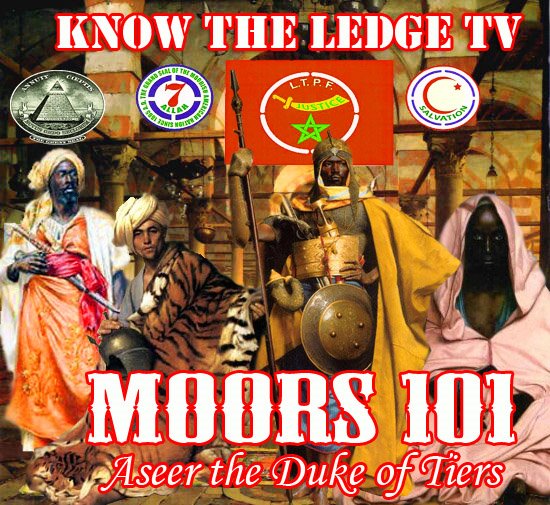
From about 711 A.D. when the Moors, a Black people from Senegal, West Africa and Morocco, invaded Europe. They introduced Black Moorish science, technology, civilization and education to Europe and raised the Europeans from the Dark Ages of about 400 A.D. to 711 A.D. The Black Moors introduced advanced learning to Spain, similar to what had been taking place in Ghana, and at the university city of Jenne in Mali for hundreds of years. They introduced advanced learning to the cities of Toledo, Seville and Cordoba. These cities became centers of Black Moorish and European scholarship, science and culture, where Europeans and others learned new and advanced sciences, arts and technologies. That led to the European Renaissance of later years. The Black Moors introduced art, architecture, sciences, medicines, animal husbandry and other advanced disciplines to Spain and the rest of Europe. This was the catalyst which led to the European Renaissance
Compared to Africa and East Asia where the

Europeans learned more technology from the Chinese such as the making of gunpowder and guns, Western and Eastern Europe, (excluding Rome, Greece, etc।) have very little history of great civilization and achievements before the Middle Ages. Africans and the Blacks of India, have had thousands of years of great contributions to world culture and civilizations. The British, French, Spanish, Dutch, Scandinavians, Germanics, Celts, Russians, Poles and many of these groups who claim "superiority" to Blacks and others, were from prehistoric times until the 1500's A.D., much less advanced economically, culturally, intellectually and scientifically as well as socially than most Black nations, kingdoms and empires during that period. From the time of the Roman conquest of Europe about 400 B.C. to the about 1200 A.D., much of Northern and Western Europe was in a stage or barbarism and backwardness. The Roman settlements and cities built by the Romans were the only areas of advanced culture
The claim by some people of racial superiority over Blacks is based on recent developments The introduction of gunpowder to Europe from China via the Arabs played a major part in elevating the Europeans to a level of military superiority. This advantage over some Africans made colonialism and the theft of African lands as well as the defeat of some African armies easier than in past eras. When the Europeans fought with sword and lance against sword and lance, their victories against Africans were few. For example, Hannibal, the African from Carthage defeated Rome's legions with as little as 15,000 men and ruled Italy for many years.
However, even with modern weapons during the modern era, Europeans were sometimes soundly defeated. Nations such as the Zulus, Mossi States, Ashanti, Dahomians, Ethiopians, Herrerros and others defeated the Europeans in a number of wars and battles.
Queen Tiye Black people were the original inventors of the disciplines

that helped bring the world into the technological age. Mathematics, physics, astronomy, building in stone and bricks, metallurgy and all the root subjects that were necessary to push the world into today's modern age, were begun by Blacks in Egypt, Nubia-Kush, Mesopotamia, Sabea and Black Naga India. Therefore, even if people of European origins have made improvements in ancient technologies and ancient inventions, such as rocketry, computer technology, aerodynamics and others, the basic mathematical formulas and ancient prototypes were invented by Africans and Chinese. For example, the Africans invented the binary system which is still used in the Yoruba oracle and was copied by German scientists and applied to computer programming. Many ancient formulas in trigonometry, calculus and physics as well as chemistry (Khem mysteries) came from the scientific discoveries of Blacks in Egypt and Nubia-Kush.
Imhotp, The Father of Medicine. Imhotep was also the world's first physician and wrote many books on medicine. He was a great architect and was the first to use hewed stone in building Most Western European scientific discoveries or rather copies of the original discoveries of Africans and Chinese were put to use during the sixteenth to the twentieth centuries. It was during this crucial period that some of the great scientific and technological discoveries and inventions were made. Yet, these discoveries and inventions were and are merely improvements on ancient discoveries made by Africans, Chinese and Black Kushite Arabs. For example, gunpowder was invented by the ancient Egyptians and Nigerians who used the cola nut to make gunpowder. The Chinese reinvented it and used it in fireworks and explosives. Steel was invented by Africans in ancient Tanzania, where ancient cone-like blast furnaces with bellows still exist to this very day and are still used. The hydraulic pump for lifting water and irrigation was invented by Africans in Egypt
Susu Economics: The History of Pan-African Trade, Commerce, Money and Wealth
The greatest book ever written on the history of Africans and others from prehistoric times to the 1600's. Susu Economics is a complete history of African civilizations, the prehistory of planet earth and how the ancients developed civilizations throuigh trade and commerce. All the cultures listed and previewed in the "Black History Chart are included in this book and a thorough history is given. This book will inform, delight and impart knowledge. It is a fabulous work that deserves to be read and cherished. There are no pictures in this work, yet some of the pictures on this website are the only examples of the cultures and civilizations discussed in this great book.
Published by 1stbooks Library, www.1stbooks.com
AFRICA
500,000 to 150,000 B.P. (Before Present)
Homo erectus develops in Africa.
150,000 B.C. to 100,000 years ago
The first Homo sapiens who were of the Black Africoid race appear at Omo region in Ethiopia.
100,000 to 70,000 B.C.
Africans initiate a cultural renaissance in the Congo Region and South Africa. Well crafted tools of stone and bone are created. Writing and the etching of stone is done. Red ochre is used for body paint and body decoration. Migrations to other parts of the world begin around this period.
ASIA
No Homo sapiens in Asia
AUSTRALIA
Negroid migrations to Australia begins
EUROPE
No Homo sapiens in Europe
AMERICAS
No Homo sapiens in the Americas
------------------------------------------------------------------
80,000 to 50,000 B.C.
AFRICA
Development of advanced toolmaking in parts of Africa (evicence found in Congo; 1994: South Africa 2001: age range 100,000 to 70,000 B.C.)
Homo erectus enters Europe from Africa
Neanderthals thrive in Africa. They migrate to Europe and Asia
African "Adam and Eve," (per Mitochondrial DNA), are the first modern-like humans to migrate out of Africa. They include the various types of Black peoples:
Black Australoids, Pygmoids and Negroids enter Europe, Asia, Siberia, Australia, Melanesia and the Americas
Culture begins in Africa, migrations of Africans to other parts of the world
ASIA
First Homo sapiens occupy Asia, Europe and the Americas from Africa.
50,000 B.C.
Grimaldi Negroids enter Europe with advanced African culture called the Aurignacian Culture. Arts such as paintings, cloth making, advanced tool making and other advanced crafts from Africa is brought to Europe, the Americas, Australia and the South Pacific/Melanesia.
African Paintings of animals and scenery in Upper Paleolithic Period about 30,000 years ago.
Black Australoids from Australia and proto African Blacks from the South Pacific reach South America (Brazil) and spread to the rest of the Americas.
Early horticulture practiced in the Sahara. Pastoralism and hunting also practiced.
-----------------
40,000 B.C.
AFRICA
Iron ore mined in Swaziland about 40,000 years ago for the purpose of making red ochre for decoration and body paint.
ASIA
Black Grimaldi Negroids migrate to the Middle East and Asia bringing the Aurignacian culture from Africa to Europe as well
EUROPE
Grimaldi Negroids enter Europe bringing in the Aurignacian Culture. They later evolve into the Cro-magnon People after about twenty thousand years of living in the cold, damp ice and loosing the need for dark black skin.
AUSTRALIA/MELANESIA
Ancestors of Black Australoids, Pygmies and Melanesians from the Sahara and East Africa migrate to Australia about 100,000 to 60,000 thousand years ago. Descendants of Tasmanian Blacks arrive thousands of years before. Melanesians arrive from the coast of East Africa They establish cultures throughout Asia and are the only Homo sapiens in the region. Many occupy China, India, South East Asia.
--------------
30,000 B.C.
AFRICA
Negroid type dominates all Europe, the Americas, Asia, Africa, the Pacific Islands, the Middle East. This type is said to have been a more Negroid Cro-magnon, who had not been affected as yet by the Ice Age conditions which led to the change in skin complexion.
Blacks bring horticulture and early agricultural practices from Africa to Melanesia, Papua New Guinea and the Region.
ASIA
20,000 B.C.
First 'white" Cromagnon types appear in Europe among a Black population in much of the warmer parts of Europe and Asia.
Pacific Blacks sail to the Americas after sailing from East Africa.
First Black cultures and civilizations called the Aqutic Civilizations developin the Sahara.
First evidence of a more advanced culture in the region.
Blacks from Sahara sail to the Americas across the Atlantic
EUROPE
First "white" Cromagnoids appear in Europe. These homosapiens evolved from the Black Grimaldi Negroids who migrated from Africa
----------------
AFRICA
17,000 B.C. to 10,000 B.C..
Beginning of Nile Valley cultures and prehistoric civilizations. Civilizations begin in Sudan and spreads down-river to the middle part of Egypt. The Delta is still covered with water.
ASIA
Black cultures in SW Asia, India, Melanesia, Papua New Guinea, the South Pacific and Southern China thrive. Ice Age still affects northern Asia.
15,000 B.C.
Zingh Empire exists in West Africa while part of Sahara is still covered with Lakes and an insland sea that supports boats and a maritime culture.
Zingh Empire spreads its influence over much of the Sahara, tropical Africa and the Middle East, and establish their standard, the red, black and green flag over the entire region, (Blisshords Communications)
EUROPE
Blacks controle much of Europe especially southern and central part. Ice still in Northern Europe, Cromagnon and early Cacausoids in the far northern regions and north Central Europe.
10,000 B.C. to 8,000 B.C.
AFRICA
Kingdom of Ta-Seti (Nubia) reaches a peak of culture. Glass is produced, astronomy is studied, observatories are built, trade and commerce is established.
Sahara and Nile Corridor continue to develop. Painting, carving, homes, monuments, early disciplines, the horse and chariot, building in stone. Neolithic culture moves on. Agriculture develops further. Some forms of metal working, making of jewelry and decorations. Buildings of towns, villages and cities begin in the Sahara and elsewhere.
Sphinx built about 10,000 B.C., Year of Leo 6280 B.C.
Towns and cities spread throughout Ethiopian Empire (Egypt, Sudan, Ethiopia, Libya, Somalia, Isreal, Jordan, Syria, Iraq, Mesopotamia, South Arabia, India).
ASIA
Mongoloid race develops from combination Negroids and Caucasoids in Mediterranean region, during the Mesolithic Age. First evidence of Brachycephalic (trait found among Mongoloids and Semites.round-headed races).
Trade and travel between West Asia and Africa.
10,000 B.C.
Great Black civilization exists in Southern India. Culture is Africoid and part of what was a great cultural region that connected the Ethiopian Empire with India.
EUROPE
Black Matrilineal cultures in Sothern Europe. Worship of Black female diety (Black Virgin) in Europe. Africoids occupy vast areas of Europe. Caucasians in the Northern regions of Europe.
AMERICAS
Blacks continue to build culture and civilization in the Americas. Washitaw Moundbuilders of the South-western U.S.
Black Giants inhabit the Mississippi Region. These Africans are engaged in agriculture and maritime activity as well as trade and commerce.
8000 to 4241 B.C.
AFRICA
Khemetic Calendar invented 6786 B.C.
Civilizatons of Ta-Seti in Nubia. Natufian and Badarian Culture in Egypt, Abacus invented in Ishongo, Congo (Central Africa)
Horse, elephant, donkey used in early transportation.
Khemite New Year established in 4241 B.C.
Improvements made in sciences, mathematics, technology, agriculture.
Cities expand, trade with world and colonies established around the Mediterranean.
African Khemetic New Year established in the City of On (Iunu), Egypt. Many great cities exist Nubian Kingdom of Ta-Seti Continues to thrive and prosper. Colleges, temple universities, laws and religion improves. Manufacturing trade and commerce advances.
Nok Culture develops further in West Africa
Africans with West African and Nile Corridor connections sail to the Americas and carry their calendar dated 3113 B.C., to Mexico.
West African civilizations build industries trading in gold and salt, textiles, with the the Sahara and Egypt. Age-grade system of education, trade guilds and secret societies connected with trades and religions develop further.
ASIA
Mongoloids develop further in the Northern part of Asia. Southern China occupied by Black Negritoes, Negroids and Black Australoids.
AMERICAS
Black cultures continue to develop in Mississippi Valley, particularly Washitaw Nation. America's population consists of Black straight-haired Australoids ( as those of India and Australian Aborigines ) see www.aboriginalaustralia.com
Black Pygmoids and Africoids from West Africa.
3500 B.C. to 3000 B.C.
AFRICA
Nubian Dynasty at Qustul 3400 B.C. to 3200 B.C., War of Unity (Northern and Southern Egypt).
Khemet and Nubia united. Narmer Pharaoh.
Memphis (Ineb-hedj) as capital.
Large magnificent temples built to Ptah at Memphis, Niet at Sau (Sais).
Books on the body composed
Pharaoh Edimu improves stone construction. Industries, trade with Mesopotamia, India.
West African civilizations expand. Gold, terracotta industries, trade, towns in Ghana, Mali areas.
ASIA
Black Cushitic civiliztion of Harappa and Mohenjo-Daro in the Indus Valley of India.
Black Cushitic civilization in Mesopotamia, India, East Asia. Sumerians consisting of Black Cushites and Black Semitic Speakers from Ethiopia dominate region.
Groups of Africans sail to Fiji and other areas of South Pacific, continuing a tradition that is tens of thousands of years old.
Mongoloids and Oceanic Blacks mix in SE Asia to create Polynesian People. They spread to the Pacific Islands, a region that had already been occupied by Black nations.
3000 to 2000 B.C.
EUROPE
Caucasian Sythians spread throughout Europe from North Central Eurasia, after horses are tamed and introduced by Khemites (Black Egyptians, (see Michael Bradley, "The Black Discovery of America," also the works of Herodotus).
Whites still concentrated around the Caspian Sea Region, but continue to spread westward and southward in what would be called the Aryan migrations. Gold craftswork in Southeastern Europe continues after being established about 4000 B.C.
Black matrilineal system continues to thrive among whites. Worship of female Goddesses, and Black virgin mothers continue.
AMERICAS
Black cultures in the Americas continue to thrive. Races up to about 2000 B.C. continue to be Black Australoid and other Black nations.
Black Olmec or Shi culture carried to Mexico from West Africa.
Black Olmecs establish first calendar about 3113 B.C. (see Sitchin www.ancientamerica.com )
Olmec civilization contains features in race, religion and cultural practices identical to the Nok Culture of West Africa, including scarification marks, cornrows, Black African racial reatures, and even an alphabet identical to the Mende script of West Africa.
Wave of Mongoloids from Siberia enter the Americas.
Fishing, hunting and early agriculture practiced by Mongoloids. Some conflict between the Mongoloids and the Negro-Austroloids. Mixing of races occur in parts of North America, however Blacks in places like the Mississippi Valley, the South Eastern U.S., California, Mexico, Central America and South America resist mixing and remain distinctly Black. (see pictures of such groups http://community.webtv.net/paulnubiaempire "Black Civilizations of the Americas."
3000 TO 2000 BC.
AFRICA
Sun temples built.
Shabaka Inscriptions:
Influence and power of men like Sahure.
Coffin texts written.
Hennu, Snefru sail to Puntite kingdom, trade, commerce with towns cities along East African coast all the way to S. Africa.
Books written by philosophers Kagemani, Ptahotep, Pyramid Texts written.
Book of the Dead (Book of the Coming Forth by Night) written about 2300 B.C.
Nok Civilization thrives over West Africa and parts of Southern Sahara. Art, bronze casting, trade, government and culture strengthened.
Great flourishing of Khemite/Nubian civilization.
Wars between Khem and Nubia as well as Libya.
Zoser bulds step pyramid. Imhotep mproves architecture, medicine, science, the priesthood is world's first scientist/doctor.
Khemite troops guard Sinai against red-haired barbarians.
Pyramid built at Sakkara and Dashur. Eleven pyramids built during the period.
Khemite trade with Fenkhu (Phoenicia). Sahure sails to Asia and may have established contact with people in China.
ASIA
Black Elamites, Sumerians and Mesopotamians rule in the Fertile Crescent.
Black Elamites conquer Ur. Babylonian Dynasty formed; Hammurabi is king; he writes codes, conquers Sumeria and Elam.
Mohenjo-daro flourishes in India,
Black Xia Dynasty of China 2800 B.C. to 2200 B.c.
Black Shang Dyasty of China; 2200 B.C. to 1100 B.C.
Shang Dynasty Blacks develop first Chinese civilization introducing culture from the Cushite regions of Mesopitamia and Khemet as well as Black Cushite India.
Series of Mongoloid Dynasties and rulers such as: Fu Hsi, Sheng Nung, Yao, Shun, Yu.
Khemite/Nubian, and Black Kushite Dravidian influences enter China and influences culture further.
Golden Age of Ur; Semitic speakers invade Black Canaan from Arabian deserts. Black Cushite civilizations develop in Sabea and South Arabia. Sargon of Akkad as first Semite King. Sumeria united
EUROPE
Barbarians dominate Northern and Central Europe.
Black Egyptians occupy Greek Isles, including Crete (Khepra)
Barbarians sweep into Eurasia. Aryan speakers migrate into India and Southern Europe.
Barbarian horsemen spread over wide area of Europe. Blacks lose control of Crete to invaders from the northern lands. Black cultures in Southern Europe begins to be overwhelmed by northern peoples. Khemites and Phoenicians mine tin in Cornwall, England, Iberia and parts of Western Europe. Black colonies established in Britain, including Black giants called Formorians, who migrate from North Africa.
AMERICAS
New group of Mongoloids enter North America from the China/Japan region of Asia. These types are related to the Algonquin (see African Presence in Early America," by Ivan Van Sertima)
Conflicts with Blacks occur, yet Black sedentary and agricultural communities remain intact in the Southern, Western and Eastern U.S., as well as the Mississippi Valley, while most Mongoloids pursue a lifestyle of hunting and nomadic movements, fishing and agriculture in the North-Eastern U.S.
Maya Indians live north of Black Olmec areas in Central America and Mexico. Indians cultures develop.
2000 B.C. to 1000 B.C.
AFRICA
Khemites/Kushites invade S.W. Asia; barbarians from Europe defeated in the Delta;
Internal conflict occurs in Khem. Waset (Thebes) becomes the most important city in Khemet (Egypt) as well as capital.
Improvements in religions and schools. Asiatics are forced out of the Delta.
Hyksos invade from Arabia. Sea Peoples invade and are defeated by Ahmose 1.
Ahmose the Scribe copies math formulas on papyrus.
Invaders control northern Egypt
Blacks rule south. Amenophis composes "hymn to Atum." Hyksos driven out. Reunification occurs.
Collossi of Memnon constructed (Menes?)
More naturalistic art.
Nok civilization flourishes in West Africa and continues trade with Sahara, Egypt, Kush and the Americas. Trade between Egypt and Mexico continues from ancient times (Mexico may have been the "Manu" of Egyptian texts).
Sailing across Atlantic by Nubians, West Africans and Egyptians as well as Phoenicians. Cities in West Africa (Mauritania region). Gold and salt trade with coastal kingdoms.
Famine in Khemet (Egypt); food prices rise.
Chemistry highly advanced, books kept; Nubians build first ever massive domes, reservoirs, pyramids.
Nubian ships dominate parts of Mediterranean and Indian Ocean as well as Atlantic Ocean.
Nubians control both army and government of Egypt from 1100 B.C. to about 650 B.C.
Egyptians (Khemites) use iron by 1500 B.C.. Nubians use iron during same period but not for weapons, since Bronze is more popular. Khem becomes rich and powerful. Egyptian Capital at Pi-Ramses.
Tale of Two Brothers written.
Revolting Nubians defeated by Khemites.
Phoenicians spread from Canaan.
Ethiopians develop Sabean civilization.
Makeda is Queen of Sheba; other kings rule.
ASIA
Black Shang Dynasty rule China for 643 years, up to 1122 or 1123 B.C. Book of Changes rewritten from the original Cushite Book of Changes from Mesopotamia.
Chou Dynasty, first purely Mongoloid Dynasty starts rule from 1122 B.C. Laws of Chou written;
Indo-Aryans invade Black India. Blacks defeat Aryans but floods destroy Harappa and Mohenjo daro, making it easy for the invaders to sweep into India.
Ancient Vedas composed by Black Negro-Australoids of Harappa and Mohenjo-daro, and copied later by invaders.
Black Babylonian Dynasty and civilization thrives
Hittities in Turkey; Black Canaanites flourish in what is today Israel, Jordan, Syria, and Lebanon
Mongoloid Chinese Dynasties continue to rule in northern China. Black Dynasties rule southern part, mainly descendants of Shang Dynasty who were pushed out of their capital city, An-Yang about 1100 B.C.
First Mongoloids arrive in Japan from Korea. Mongols mix with Blacks, Polynesians and Ainu, who were the original inhabitants of Japan.
Black Melanesians and Polynesians sail over Pacific Ocean, occupying islands and reaching parts of South America.
Mixed Black/Semitic race rules Assyria.
Shamshi Addad II is King; Black Sabean civilization in South Arabia. Black civilization in South Pacific, India, Australia, Hebrews in Egypt.
Hebrews invade Black Canaan (present-day, Israel, Jordan, Syria, Lebanon.
Saul and David become Kings of new Israelite nation.
Phoenicians continue their maritime activities are hired by both Egyptians and Nubians for commercial purposes.
Solomon Israelite King establishes relations with Abbysinia.
EUROPE
Middle Minoan to 1180 B.C. Egyptian Blacks continue civilization in Minoa Crete. Etruscans develop. Black colonies in Spain, England. Indo-Europeans such as the Dorians and Latins invade Italy from north-Central Europe and Asia
Barbarians roam over Central Europe; Indo-Europeans established in parts of Europe. Greeks under Black Khemite influence, some are mercenaries in Khem. Parts of Western, Southern Brit. Isles occupied by Blacks; Myceneans destroy Crete; Black colonies formed in Spain including Black Phonecians.
Rise of Greek City-States
Greek culture adopts Khemitic styles; Minoans no longer a power.
AMERICAS
Mayans in Meso-America; Khemites, Nubians and West Africans begin settlement in Mexico by 1200 B.C.
Heads of basalt carved, temples, pyramids, religious centers are built. Mayan city of Kaminaljuyu established. Thousands of Blacks in Vera Cruz, South Mexico. Cities of San Lorenzo built by Black Olmecs. Black Olmec culture starts in 3113 B.C. and continues to about 400 A.D.
Black Olmec-Nubian Dynasties continue their rule. Blacks are at all levels of Olmec society. They spread their culture to the rest of Central America.
Both Mayas and Black Olmecs continue to build in Central America, each group controlling their own areas and yet having trade and commercial contact.
Black Olmec centers built in San Lorenzo. New wave of Black shamans arrive from West Africa and introduce the Venus worship and thunder God religions.
Indian civilizations develop in South America. First Mongoloid Indians move into the Caribbean Island region.
1000 B.C. to 500 B.C.
AFRICA:
Journey by Wenamen to Canaan composed.
Herihor is first Prophet of Amen.
Civil war betwen Khemites; Sheshonk is Pharaoh for 52 years.
Relations with Spain. Libyan Dynasty rules Egypt (Khemet) from 1000 B.C. to 725 B.C.
Khemite Dynasties from 850 B.C. to 745 B.C.
Nubian Dynasty rules Egypt from 745 B.C. to 685 B.C.
Nubians revive Egyptian culture, build monuments, cities, temples; rebuild country.
Tarharka, Nubian Pharaoh encourages use of demotic script.
NUBIAN-KUSHITE PHAROAHS OF EGYPT
720 B.C. to 658 B.C.
Piankhi - 720 B.C.
Shabaka - 713 B.C.
Shibitku - 701- 698 B.C.
Shabataka - 698-690 B.C.
Tarharka - 690-664 B.C.
Tunoutamon - 664 to 658 B.C.
NUBIAN-KUSHITE PHAROAHS OF THE NUBIAN -KUSHITE EMPIRE (present-day Arab occupied Sudan)
Atlanarsa - 653 to 643 B.C. (Before Christ)
Senkamanisken - 643 to 623
Anlamani - 623- 593
Aspelta - 593 - 568
Amani-nete-yerike = 431 to 45 B.C.
Harsiotef - 404 to 369
Natasen - 335 to 310
Ergamenos - 250 to 125 B.C. Ergamenos abolished the practice of royal suicide, eliminating the Pharaohs after a period of about ten to 20 years of rule
Taniydamani - Between 200 to 100 B.C.
Nubian Queens and Queen-Mothers;
Queen Mother Nasalsa - Mother of Pharaohs Aspelta and Anlamani = 593 B.C.
Queen Mother Pelekhs = 335 to 310
Queen Sakhakh wife of Natasen - 335 to 310
Queen Shanakdakhete = 170 B.C. o 160 B.C.
(starts female Pharaoh rule which lasts for three generations to about mid 100's A.D.
Pharaoh Natakamani and Queen Amanitere, 12 B.C. to 12 A.D. Great builders of cities monuments, temples. They rebuilt Napata after the Roman (Petronius) destruction of the Kushite Capital. They Build Naga Lion Temple.
Queen Amenitere
Queen Sherakerer
Queen Amanisheketo
Pharaoh Tegorideamani - 246 A.D. to 266 A.D.
The Nubian-Kushite civilization and system of Kingship extends back to the time of Ta-Seti (8,000 B.C. to about 4500 B.C. followed by the Nubian-Kushite Kingdom about 4500 B.C. to 1500 A.D. The Nubian Monarchy still existes today and their present King is the oldest line of kingship by any culture on earth today. THIS IS THE CIVILIZATION AND CULTURE THAT NUBIANISTS AND PAN-AFRICANISTS AROUND THE WORLD ARE SUPPORTING. Nubia-Kush is the core, the heart and soul of Pan-African culture and CIVILIZATION) Nubian civilization is over ten thousand years, according to excavations and findings carried out in Sudan in the year 2000 (see Time Magazine)
Assyrians Invade About 685 B.C.: Series of European and West Asian invaders rule Egypt, including the Assyrians, Saites, Babylonians, Persians, Jews, Greeks, Romans until about 30 A.D.
ASIA:
1000 B.C. t0 500 B.C.
Feudal Age begins in China: Chou takes over from Black Shang Dynasty.
Sargon King of Assyria; Babylon burned by Sennacherib.
Assyrians invade Khem in 671 B.C., They destroy Memphis;
Chou Dynasty is first Mongoloid dynasty. They rule from 771 B.C. to 256 B.C.
Remnants of Black Shang found Black (Nahkhi) Dynasties in Southern China
Chinese use coins, build drainage projects.
Black kingdoms in Southern India:
Greeks, Romans occupy parts of Asia; wars between Persians and Indians.
660 B.C., Jimmu forms first Japanese state.
EUROPE:
Illyad, Homers epics written
Lydians use coins;
Khemites (Egyptians) recruit Greek warriors
Celts dominate Central Europe
Tarharka, Nubian Pharaoh invades Spain, Nubians ( also known as Ethiopians) dominate Atlantic and Mediterranean
Tarharka, Nubian Pharaoh, occupies Spain
Greeks, Persians, Egyptians, Phoenecians, Nubians meet in Mediterranean. Trade and conflict in the region
AMERICAS:
Journey of Nubians and West Africans to Mexico, possibly under Tarharka.
Black Olmecs establish another Calendar in 747 B.C. New Year celebrated on April 26th. Mayans build more settlements away from Black Olmec areas.
Black Olmecs or Xi rule in Mexico till about 400 A.D. (3113 B.C. to 400 A.D.)
Chavin and other cultures in South America.
Black Washitaw build ceremonial sites throuighout Southern and Midwestern U.S. Black Tribes in California and South-Eastern U.S. thrive through trade and commerce.
500 B.C. to 1 A.D.
AFRICA:
Plato studies in Egypt under Black Egyptian priests. Manetho writes History of Egypt;
Alexandrian library built and founded by African named Eratosthenes, a scholar and librarian. He charts earth's circumference and also composed Canon of Kings of Thebes.
Nubia flourishes under female Pharaohs called Ka'andakes (Candaces).
Ethiopia (Axum) in Golden Era, relations with Jews
Massinissa rules Numidia (200 B.C. to 148 B.C.)
Trade continues between West Africa and Americas and between West Africa and Mediterranean; East Africa to Zimbabwe develops city states and trades with Asia and Mediterranean, the rest of Africa.
Hannibal defeats and occupies Rome.
Stone cities built in Southern Africa.
ASIA
Black kingdoms in South India; cultures in the Pacific, Nakis Kingdom flourishes in Southern China.
New Period of Philosophers and poets.
Han Dynasty begins 206 B.C. to 221 A.D.
Romans occupy Israel. Jewish religion has offshoots and sects, Christianity develops out of Jewish religion.
Armenia flourishes.
EUROPE:
Romans build Empire in Europe, North Africa.
Pax Romana or Roman Peace is established; Romans occupy much of Europe and dominates territories. Roman influence spreads to parts of India.
Pastoralists in Central Europe; Barbarians occupy large areas of Central Europe.
Barbarian conflicts with Roman ambitions. War breaks out.
AMERICAS:
The Black Olmecs continue to rule in parts of Mexico. Africans continue to sail to Mexico/Central America from Africa and possibly the Pacific Region. Olmecs and Mayas create great cultures, stone monuments, hieroglyphic writing,
Mayans adopt Black Mende Olmec (Xi) cultural forms, including pyramid building, which the Mayans develop into another style.
Cultures in South America and other parts of the Americas continue to develop.
Contacts from Africa and the Pacific Islands.
Black groups and nations form throughout the Americas from Olmec Empire. Choco People in Columbia, Afro-Darienite in Panama, Black Californians of California and the South-West (see Legend of Queen Calfia), Jamassee in Georgia and Washitaw of Louisiana are all existing groups of pre-Columbian Black nations who still exist or are blended in with the later slave-era African arrival to the Americas.
Mayas thrive in Yucatan; Toltecs in Central Mexico; Totonac culture.
500 BC. TO 1 A.D.
AFRICA:
Nok-Wagadu Kingdom trades with Phoenicians( see Herodotus detail about Hanno's trip around Africa to the Cameroon region, (Nok Culture 3000 B.C. to 500 A.D. Most Africans kingdoms in the Sahel and forest kingdoms of West Africa, such as Benin, Ashanti, Oyo, existed earlier than 1200 B.C. according to African sources).
People in Nok region continue ancient contact with the Americas. Shaman and worshippers of Shango and the Venus Complex migrate to Mexico from West Africa. Migrations began about 725 B.C. and continues to 400's A.D. (see picture of ancient figurine of Oni or Priest-King of ancient West Africa at http://community.webtv.net/paulnubiaempire )
NUBIAN-KUSHITE PHARAOHS
In 525 B.C., Nubians defeat Persian King Cambysis at Batn-al-Hadjar
Aspelta is Nubian-Kushite Pharaoh
Queen Mother is Nasala
Sacred Temple of Amun at Jabel Barkel is rebuilt and refurnished 593-568
Two years after the reign of Nubian Pharaoh Aspelta, Psamtik II of Egypt invades Kush with Greek and Carian mercenaries under command of Amasis and Potasimto. Napata, the Nubian-Kushite capital is captured.
Nubian-Kushites transfer capital from Napata and move southward to Meroe.
Phoenicians and Carthaginians continue trade with West Africa: Hanno sees evidence of Harvest Festival (Kwanzaa) in Cameroon in 450 B.C. (see "The Histories, by Herodotus).
Trade in gold, salt. African gold, iron, bronze industries thrive in West Africa.
400 B.C.; Ghana Empire spread over large area of West Africa particularly in what is today Mauritania, Mali, Burkina Faso, Guinea and other parts of West Africa.
Trade across Sahara continues. Agriculture well established in the region. Cities built.
Greeks and Persians kept out of Kush (Nubia) Ptolemy V attempts to Invade Kush.
Meroe made Kushite (Nubian) capital. Nubians, East Africans (pre-Swahili Africans of Punt) and Abbysinians trade with China and India.
Ethiopians (Sabeans) create large empire which extends from Ethiopia, through Arabia, all the way to Armenia and Southern Russia. Black Ethiopian Jews thrive in Ethiopian Highlands.
Greeks, Jews, Europeans and others study in Egyptian Temple Universities (eg Ipet-Uset)
Last Black Khemite (Egyptian) Dynasty 378 to 341 B.C. Nectanebo 1 is Pharaoh. Nectanebo is defeated by Persian Ataxerxes 111, in 343 B.C.
Alexander the Great invades Khemet (Egypt) 322 B.C.
Aspelta is Pharaoh of Nubia-Kush in 525 B.C.
Amanoteyerike is Pharaoh in 400 B.C. He is a warrior-king, builder of cities and temples. He improves Nubian -Kushite culture.
Phonetic alphabet developed further about 170 B.C.
Nubians sack Aswan, in Roman occupied Egypt and carry off statue of Augustus.
Roman Prefect Petronius captures Napata, Nubian capital in 23 B.C. A peace treaty is signed and the Romans withdraw in 20 B.C.
Queen Amanishaketo rules with Natakamani, Pharaoh of Nubia-Kush from 12 B.C. to 12 A.D.
Golden Era of Nubian-Kushite civilization, including the development of an Industrial Age in which the use of iron and the manufacture of iron goods was very important and widespread. That period was from about 600 B.C. to 325 A.D.
ASIA
Buddha teaches in India. Buddha is believed to be of Black Kushitic stock, similar to the Negroid peoples who still inhabit many parts of India today. Buddha comes from the Sakya Clan.
Confucius, Chinese philosopher teaches in China.
Bureaucratic system peaks in China.
Persians dominate West Asia eastern Mediterranean from 500 B.C. to 300 B.c.
Persian Kings include, Cyrus, Darius, Cambisis, Xerxes, Ataxerxes:
Greeks invade India with Alexander the Great.
Black Indians dominate South India.
(Negro-Australoid Kushitic speakers).
Wars between Chinese states.
Black Nakhi Kingdom, remnants of ancient Shang People exist in Southern China/Indo China.
Melanesian cultures develop in South Pacific, Papua New Guinea, including development of agriculture/horticulture, boatbuilding, the building of large settlemtns, sea trading and travel including contacts and trade with East Africans.
Ashoka is King in India. He changes in outlook after a war in which about 100,000 lives are lost.
273-232 B.C. Tang Dynasty influences Japanese culture, including writing, art, religion and language (some African historians point out that the core of Japanese language is East Africa).
Period of Philosophers and Poets
Han Dynasty 206 B.C. to 221 A.D.
Romans occupy Israel
Christians emerge from Jewish religion
Armenia flourishes
EUROPE
Romans in Europe
Conflict between Romans and various European Tribes
Nubian and North African troops in Europe and Britain. Rise of Bodacia, British Queen who leads struggle against Roman occupiers.
Spread of Christianity in the Mediterranean
AMERICAS
Black Olmec Civilization continues to flourish in Mexico, Central America and elsewhere.
Mayas and other groups of Mongoloid "Indians," gain prominence.
Teotihuacán culture prospers in Central Mexico
Nomadic and coastal Indian peoples inhabit parts of the Great Plains and both the Eastern and Western U.S. Migrations from Siberia trickles into the American Continent from Alaska.
Black nations continue to trade by sea and by land in the Mississippi Valley region, California and the South-Eastern U.S.
Arawak and Mongol Carib Indians conflict in Caribbean Islands.
1 A.D. to 1000 A.D.
AFRICA:
Egypt under Roman occupation. Black Khemitic culture still dominant in Egypt except in places where descendants of Jews, Greeks and others live.
Romans bring in people from the Arabian region into Egypt.
Nubian civilization continues to flourish : Natahamani is Pharoh from 12 B.C. to 12 A.D.
Period of about 400 B.C. to 200 A.D., African priests from Nubia and Khem (Egypt) teach science, art, technology and history to Demetrius of Phalere, Diodorus Cronos Hegesias, Eculid, Manethon, Aristachus of Somos, Archimedes, Sextus, Plutarchus, Plato, Aristius, Erathosthene, Claudius Maximus, St. Agustine and many others.
Thousands of ancient books written by Nubian Ethiopian and Khemite priests over thousands of years were copied during this period at Alexandria
Golden Era of Nubian civilization; large cities built. Temples, colleges and schools improved. Highly advanced arts and crafts. Nubians continue their maritime trade and commerce. Build strong army with expert archer regiments on horseback.
Nubia invaded by Axumites led by Azana in 325 A.D.
Axumite Empire is established in Ethiopia from about 200 B.C. to 800 A.D., as a continuation of the Black Sabean Empire of ancient times.
Ethiopia sees a Golden Age of culture, religion, trade, commerce from about 300 A.D. to 1100 A.D. During that period, huge churches carved out of solid cliff rock in the Lilebella Region of Ethiopia.
Ethiopians carry out trade and commercial activities with Nubians, other Africans, Greeks, Romans, Chinese, East Indians, South Africans, Swahili, Arabians and others.
Christianity officially established in Nubia and Ethiopia between 300 A.D. to 500 A.D. Christianity in its early forms reached Nubia and Ethiopia as early as the time of the Apostles and Ethiopian Eunuch. Judaism reached Ethiopia about the time of Solomon and the Queen of Sheba, 950 to 1000 B.C.
Swahili city-states grow rich and powerful and continue an ancient tradition in trade and commerce that extends back to the time of Hatshepsut and Queen Ati of Punt. Swahili cities stretch from Somalia to Mozambique. Many are more than two thousand years by the time the Arabs and Persians arrive to trade in the Region (see Egyptian paintings of Hatshepsut's expedition to Punt about 300 A.D. to 1000 A.D.)
Zimbabwe Empire spreads in Southern Africa. First stages of building of Zimbabwe stone enclosures begins about 300 B.C. Vakaranga People continues to expand buildings over much of Zimbabwe during the 1000's to 1100's A.D.
Shona People add to construction later on.
Zimbabwe Empire trades with Swahili, Chinese, coastal and interior Africans and other peoples.
Commodities traded include steel (the world's first steel and the blast furnace to create steel was invented by the East Africans in Kenya about 200 B.C.). The trade in Zimbabwe also included gold, ivory, iron tools and weapons, rice, jewelry, cloth and manufactured products. Products were sold to China, India, Europe, the Middle East, Arabia (the famous "Damascus steel," was created in Zimbabwe.
WEST AFRICAN EMPIRES EMERGE
The ancient kingdoms of West Africa and West African culture itself has existed since prehistoric times. In fact, the earliest civilizations on earth, the Aquatic civilizations of the South western Sahara began over 20,000 years ago. They were master ship builders and practiced agriculture. They also may have made significant contributions to the building of advanced civilizations in the Americas, such as the Olmec and the Washitaw of the Mississippi, both ancient American cultures that show African influence from the West Africa/Sahara region.
Great kingdoms established as early as 3000 B.C., By 1500 B.C. kingdoms that gave rise to empires such as Oyo, Benin, Ashanti are established. They trade with Egyptians and other Africans as well as with people in the Americas.
West Africa enters a golden era between 400 B.C. to 1600 A.D.A number of kingdoms reemerge. They include Ghana, Mali, Songhai, Kanem Bornu, Kongo, Angola, Ashanti and others.
West African Kings
Tenkamenin King of Ghana 1000th Century
Tenkamenin was one of the Kings of Ghana who reigned when Ghana was going through another cultural renaissance.
Sunni Ali Ber 1464 to 1492.
He built the Songhai Empire into a large and powerful empire in West Africa and one of the richest on earth. He had a large army of full-time professional soldiers including horse and camel cavalry units. He captured Timbuktu (a magnificent city where books were manufactured, bought and sold and where students from all over the world studied) and the university city of Jenne, after a seven-year siege on the city of Jenne.
Askia Muhammed Toure 1493 to 1529
Askia Muhammed was a great leader and king. He was an honorable man and was righteous. During his reign, he created provinces out of his vast country and established an efficient system of administrators and judges. He lowered taxes making it easier for the common people to pay.
Affonso I, King of Kongo 1506 to 1540
Affonso I was the first African leader to begin the process of modernizing Africa. He encouraged the learning of a number of skills and subjects and established the most modern school system in Africa. Affonso 's objective was to create a powerful state that excelled in technology and knowledge. Affonso was against the slave trade and worked to stop it in his kingdom.
Idris Alooma Sultan of Bornu 1580 to 1670
The Kingom of Kanem-Bornu, near present-day Chad, was created through the union of two states, Kanem and Bornu. Aloma united these two states. He was a strong leader and had a large army with a cavalry of knights on horseback in armor. He also used muskets as one of his weapons.
Shamba Bolongongo (1600 to 1620)
King Shamba as one of the Greatest kings of the Congo region. His main objective was making sure peace was kept throughout his kingdom/
Shamba believed in the most highly cherished aspects of African religion, that being the right to live.
He created a very effective system of government, using the traditional system of African democratic traditions including checks and balances. Shamba's government included sections such as the military, judicial, and administrative branches. During his reign, Shamba Bolongongo contributed to making the arts and crafts of the highest quality and level through his promotion and support.
Osei Tutu, Ashanti King; Ghana 1680 to 1717
The Ashanti are also remnants of people who lived in West Africa as well as people who migrated from the Sahara. Osei Tutu united the Ashanti People and established a strong military and trading nation. Ashantis were successful in defeating the British during the late 1800's and they like the Dahomey (Benin) trained women soldiers in their armies. The British were able to defeat the Ashanti after many ears of warfare.
Powerful Nubian Christian Kingdoms of Mukuria, Nobadia and Alwa emerge from Nubian Empire.
Nubia enters crusades on side of Christians. Arabs defeated in Nubia by Emperor Kalydosos during the 600's A.D., yet their attempt to infiltrate Nubia continues
Treaty holds till 1500's A.D. until Arabs attack Funj Empire.
End of Nubian Kingdom after 10,000 years of existence.
Ethiopians in the Crusades while a religious renaissance takes place in the Ethiopian kingdom. They create rock-hewn churches, monastic traditions, writing of encyclopedias, books, scrolls, a tradition that extends earlier than the 500's A.D.
Ethiopians defeat Gallas and Arabs; Turks defeated at Asmara during the 1500's. Portuguese defeated.
Black African population dominant before Arab invasions:
Black population in Egypt is supplanted with people from the Arabian region. Mixed races dominate northern part of Egypt, Blacks dormant in the southern part. Islam gains a foothold in Egypt after invasion of 600's. Coptics continue Christian tradition.
Malians send ships to the Americas between 1200 to 1300's
Mali becomes powerful maritime trading empire: Abu Bakari sends 2000 ships to the Americas in 1305 to 1308.
More on West African Civilization, see "African Glory," by J.C.deGraft-Johnson, pub. Black Classics Press, Baltimore MD.
ASIA
712 A.D., Africans and Arabs conquer Sind, India; Black kings from the Ethiopian region rule the region.
Ganges, Ethiopian emperor, establishes an empire that stretches from Ethiopia to Ganges River in India.
Abraha Al-Ashram, ex-slave becomes emperor of Yemen and Ethiopia. He defends Yemeni Christians against Jews in 569 A.D.
Golden Era of Black Civilization (Khmer) in Cambodia (for more see http://www.cwo.com/~lucumi/runoko.html )
From about 800 A.D. to 1300 A.D. Black Negroid Black Negro-Austaloid (also found in Bangladesh and other parts of India) and Negrito kingdoms dominate Cambodia and South East Asia. They include:
Funan,
Chenla, 802 A.D. to 850 A.D.
Anghkor, 802 A.D. to 1431 A.D.
Champa 100 a.d. to 1200 A.D.
(see also the book, "African Presence in Early Asia," by Ivan Van Sertima; Transaction Publishers)
Blacks of SE Asia trade with East Africa, India,
500 A.D. to 1185 A.D. Yamato Clan rules Japan; Reforms in Japanese government around 645 A.D.
700 a.d. to 1000 A.D., Classic Age of Japanese culture, art, literature.
Feudal Age in Japan
Samurais take power
Chinese use gunpowder
1274 - Mongol invasion of Japan repelled.
1404 Chinese trade with Asia and
with Africa continues
Onin War; feudalism in Japan 1467 to 1477
Portuguese visit Japan in 1543
Other Europeans visit Japan
Chinese Admiral Chengo Ho visits East Africa in a great fleet of Chinese ships. African ships from Mediterranean Region continue 3000 years of trade and visits ot China.
Marco Polo in India 1288 to 1293 A.D.; He visits China in 1269 A.D.
Mongol Dynasty of China 1260 to 1328
Portuguese visit Canton 1517
EUROPE
400's A.D. Romans withdraw troops from parts of Europe. The fall of the Roman Empire commences in the West.
Europe enters Dark Ages (400's to 711 for Spain/Iberia) 400's to 1000's rest of Europe.
711 A.D. Black Moors from Senegal led by their General Gabel Tarik, invade Spain and Portugal.
They introduce science, art, technology, agricultural sciences, animal husbandry, the university and college system, new methods of maintaining hygiene.
First Arab invasion (white Semitic Arabs) of Spain occurs in the 1000's
Black Moors make Spain Europe's most advanced nation and sets the seeds for the renaissance in Spain. Spain declines after 1492, when Black Moors and Arabs, Jews are expelled to Africa and the Americas.
Black Moorish noblemen begin many European aristocratic families (their heads are usually on the family crests of names such as Moore).
Astrology, mechanics, chemistry, geology, early robotics, optics and many sciences are introduced by Black Moors.
Charlemagne's Empire in Western Europe begins in 814 A.D.
1066 A.D. Normans conquer England.
Crusades against Muslims in the Palestine
Black Moors still in Spain, they spread over Europe and contribute to European cultural development.
see http://www.cwo.com/~lucumi/runoko.html
Moors build universities in Toledo and Salamanca, Spain.
Moorish Spain flourishes along with Italy. Various massive buildings, cities, castles, forts are built using African Moorish architecture (still common in Senegal, Mauritania and Morocco)
1488 Portuguese sail to Africa
Conflicts between Goths and Moors.
Conflicts between Black Moors and Arabs in Spain.
Italian city-states grow in power. They trade with other nations and build their wealth.
European Renaissance
European Renaissance takes place around 1400 to 1600's A.D. due to Black Moorish technological input and scientific contributions to Spain and the rest of Europe.
Moors expelled from Spain; many went to southern France and other parts of Europe, the vast majority return to Africa, others go to the Americas or are shipped there as slaves.
Columbus hears of African voyages to Americas from Moors . In 1492, he sails to Cape Verde Region (near Senegal) stocks his ships and sails to the Americas led by his ship's captain, the Christianized Black Moor named Alfonso Nino
AMERICAS
Africans from West Africa sail to the Americas and trade with American Indians of the Caribbean, South America, Mexico and the Southern U.S.
Africans and Aztecs establish trade during the reign of Quaquapitzuak (African Presence in Early America: Van Sertima)
Trade in almaizer cloth, iron and glass beads, vegetables and fruits including corn and cotton, trade in guanin (gold, copper silver alloy.
Africans trade with South America, Colombia and Panama on the very day that Columbus arrives in the West Indies.
Mandinkas and other Africans continue their centuries-old trade with Indians. Trade bases in South America, Caribbean , Mexico, California, S.W. United States, Cahokia region of South East U.S.
Arawak Indians of Caribbean and the Black Kalifunami (ancient Mandinkas seafarers who sailed to the Americas) unite in West Indies and bring about new group of people called "Black Caribs.
Inca civilization in Peru; various American Indian kingdoms including Cahokia, Pueblo culture, Black Washitaw Moundbuilders.
Black Jamassee Nation of the South-eastern U.S.
African ships trade with Peru.
1200's A.D. Mongol Caribs attack Arawaks in South America initiating a period of attacks on Arawaks that lasts until the coming of Columbus in 1492.
Columbus in Bahamas looking for gold; Indians tell him that African merchants were selling gold and cloth in the region and had come to the region from the Southwest.
PICTURES:
http://community.2.webtv.net/NUBIANEMCHARTOFBLACK/page2.htm
http://community.webtv.net/barnubianempire
http://community.webtv.net/nubianem3
REFERENCES
1. Civilization or Barbarism, by Cheikh Antah Diop, pub. by Lawrence Hill Books, Chicago, IL.
U.S.A
2. Egypt Revisited, by Ivan Van Sertima; pub. by Transaction Publishers, New Bruinswick, NJ
U.S.A.
3. The African Origin of Civilization, by Cheikh Antah Diop; pub. by Lawrence Hill Books, Chicago, Il. U.S.A
4. Susu Economics: The History of Pan-African Trade, Commerce, Money and Wealth: pub. by 1stbooks Library, Bloomington, Indiana U.S.A.
www.1stbooks.com
5. A History of the African-Olmecs; pub by 1stbooks Library, Bloomington, Indiana U.S.A. www.1stbooks.com
6. The Black Untouchables of India; pub. by Clarity Press, Atlanta Georgia U.S.A. www.claritypress.com
7. African Glory by J.C. deGraff-Johnson; afterword by John Henrik Clarke: pub. by Black Classics Press, Baltimore MD. U.S.A
8. African Presence in Early America; by Ivan Van Sertima: Transaction Publishers, New Bruinswick, New Jersey U.S.A.
9. Pillars of Ethiopian History by William Leo Hansberry: published by Howard Univ. Press
Washington D.C., U.S.A.
10. Nile Valley Contributions to Civilization, by Anthony T. Browder; pub. by Institute of Karmic Guidance, Washington D.C. U.S.A
11. General History of Africa Ancient Civilizations of Africa Vol. II, Edt. by James Curry and M. Mokhtar; UNESCO; University of California Press
12. The Columbus Conspiracy, by Michael Bradley: pub. by A&B Book Publishers, Brooklyn, New York, U.S.A.
13. The Black Discovery of America, by Michael Bradley: pub by Personal Library, Toronto, Canada
14. Wonderful Ethiopians of the Ancient Kushite Empire, by Drucilla Dunjee Houston: published by Black Classis Press, Baltimore, Maryland, U.S.A
15. Susu and Susunomics: The Theory and Practice of Pan-African Economic, Racial and Cultural Self-Preservation: pub by www.iuniverse.com also available at www.barnesandnoble.com California, U.S.A.
16. 100 Amazing Facts About the Negro, With Complete Proof, by J.A.Rogers: Helga Rogers Publishers, St. Petersburg, Florida, U.S.A.
See also Return to Glory
A Response: PBS "Race": A History Of Racism